


The best PS5 co-op games give you more than another person on the screen. Some build their entire adventure around teamwork, while others become much more entertaining once friends join the party. PS5 has strong options for almost every type of player, including shooters, RPGs, survival games, platformers, and smaller couch co-op experiences.
Whether you want a story to finish with one friend or a game your whole group can return to for months, these are 20 of the best PS5 co-op games to play with friends.
Split Fiction
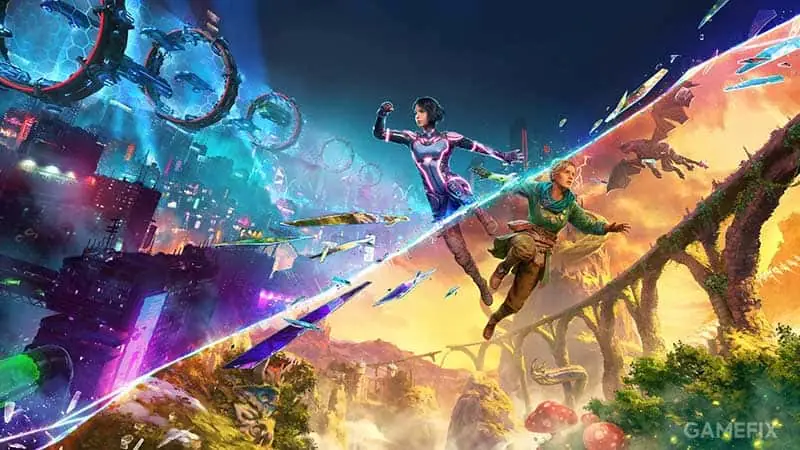
Split Fiction throws Mio and Zoe into the stories they created after a machine designed to steal their ideas traps them inside its simulations. Since one writes science fiction and the other prefers fantasy, the game constantly moves between two completely different worlds.
That idea also keeps the co-op from settling into a routine. You race vehicles, transform into creatures, solve puzzles, fight enemies, and encounter new mechanics that sometimes disappear after a single chapter. Both characters usually receive different abilities, so progress depends on understanding what your partner can do rather than simply following them. Friend’s Pass also means only one person needs to own the game for two players to complete the full adventure together.
Helldivers 2
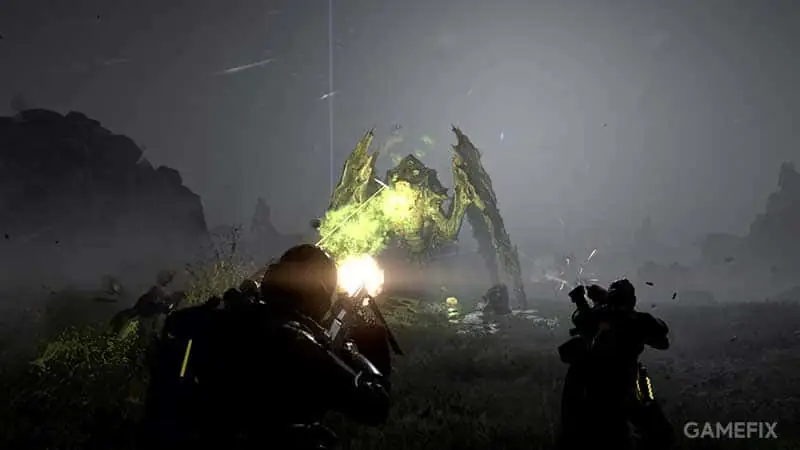
Helldivers 2 sends squads of up to four players onto hostile planets where a simple objective can turn into a disaster within seconds. Before deployment, you choose your equipment and Stratagems, then use everything from orbital bombardments to sentry guns once the mission begins.
The interesting part is how easily your own squad can become part of the problem. Friendly fire stays active, so a badly placed airstrike or careless burst of gunfire can take out teammates just as quickly as the enemy. Different loadouts also let each player concentrate on armored targets, crowd control, supplies, or defensive support. Completed operations contribute to the wider Galactic War, giving individual missions a place in the ongoing conflict.
Baldur’s Gate 3
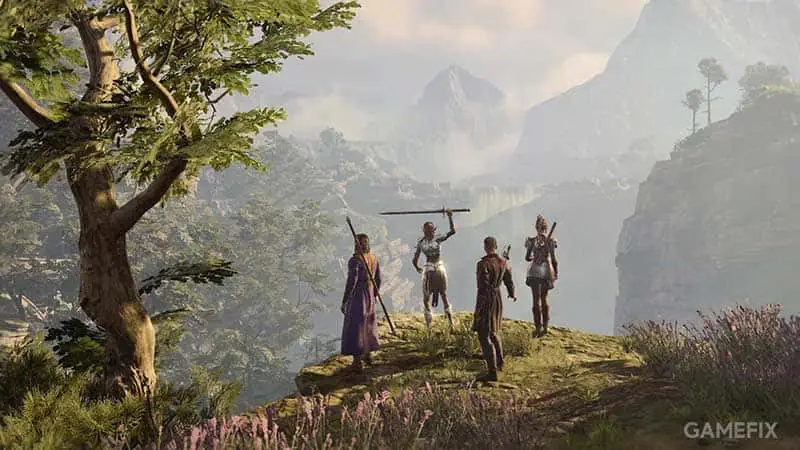
Baldur’s Gate 3 rarely forces the whole party to solve a problem in the same way. While one player talks to an important character, someone else can explore another room, steal an item, discover a hidden path, or create an entirely new problem for the group.
Combat gives everyone time to discuss moves because battles use a turn-based system. Classes, spells, environmental effects, and positioning can work together in dozens of combinations, but the real appeal comes from the freedom outside combat. Decisions made by one person may affect quests and relationships for the entire party. PS5 supports two-player split-screen, while online co-op allows groups of up to four players.
Overcooked! All You Can Eat
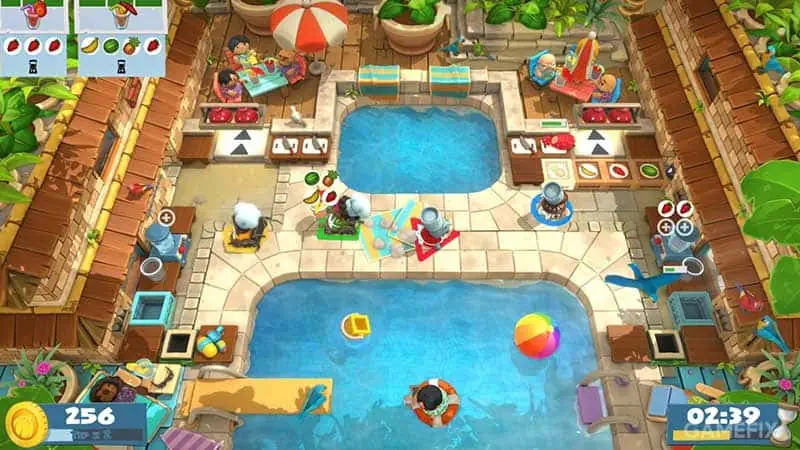
Overcooked! All You Can Eat turns basic kitchen work into one of the easiest ways to test how well your group communicates. Orders arrive quickly, ingredients need preparation, dishes pile up, and everyone has to work around kitchens that refuse to stay normal.
Some stages place counters on moving platforms, while others split the kitchen apart or introduce hazards that completely change your route. The collection combines the first two Overcooked games with their additional content, giving groups more than 200 levels to clear. Local and online co-op support up to four players, and cross-play makes it easier to bring friends together. The controls are simple, but earning strong scores requires surprisingly precise teamwork.
Monster Hunter Wilds
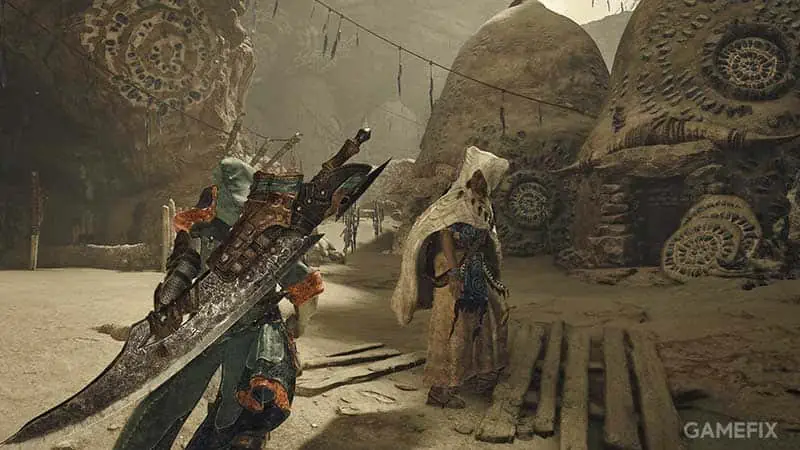
A hunt in Monster Hunter Wilds involves much more than surrounding a monster and attacking until it falls. Up to four players can follow creatures across the Forbidden Lands, react to changing environments, and use completely different weapon types during the same encounter.
Every weapon changes how you approach the fight. A Great Sword rewards careful timing, ranged weapons let you attack from safer positions, and faster options make it easier to stay close to mobile targets. Focus Mode also helps the group exploit wounds and damaged body parts. Monsters can move between areas or run into other large creatures, forcing the party to adjust midway through a hunt. Link Parties help friends remain together between expeditions.
Evil West
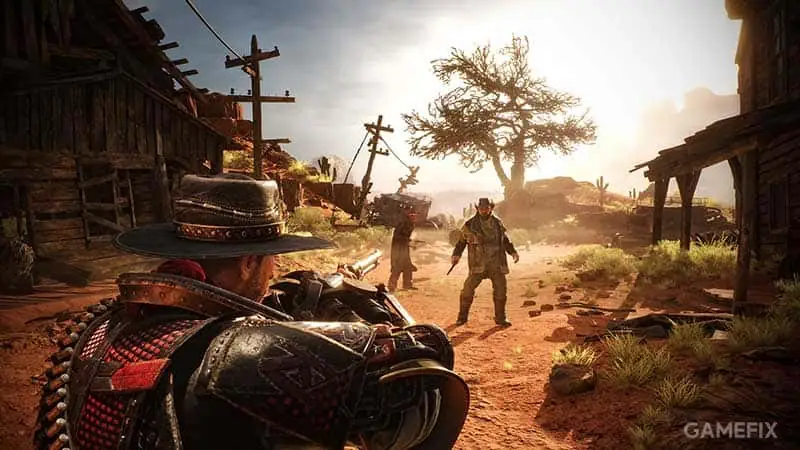
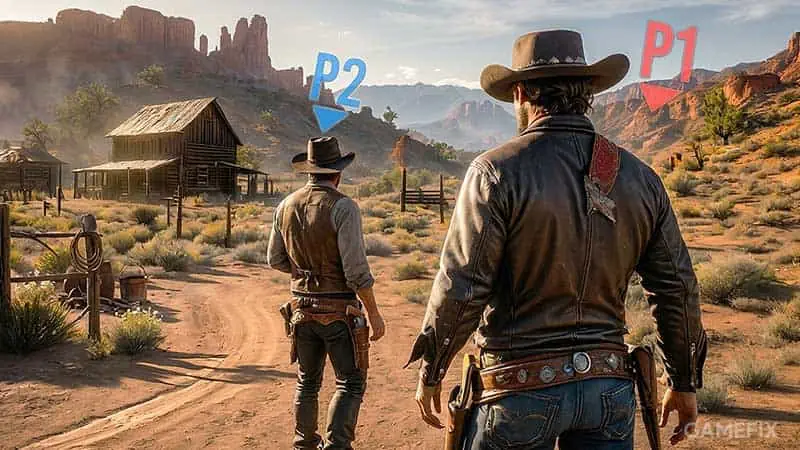
Evil West takes the familiar image of the American frontier and fills it with vampires, mutants, and supernatural creatures. Jesse Rentier fights them with revolvers and rifles, but his electrically powered gauntlet quickly becomes the most entertaining part of the combat system.
Punches can launch enemies into the air, electrical attacks interrupt dangerous moves, and upgrades gradually turn simple fights into aggressive combo sequences. The story also supports two-player online co-op, letting a friend join the campaign rather than limiting multiplayer to separate missions. Larger encounters become especially chaotic when both players move between gunfire and close-range attacks at the same time. It is a straightforward choice for two people who mainly want action without a complicated co-op structure.
Elden Ring Nightreign
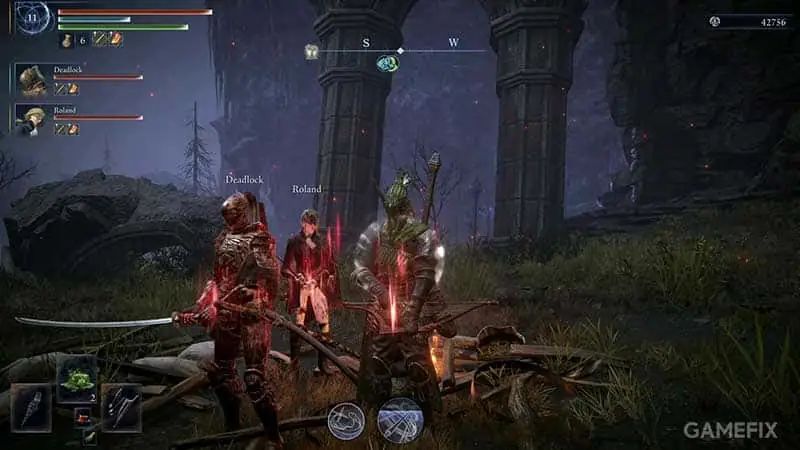
Elden Ring Nightreign compresses the usual exploration and character growth into expeditions that unfold across three in-game days. Once your team enters Limveld, there is little time to waste. You hunt enemies, collect runes, search for stronger equipment, and prepare for the bosses waiting after sunset.
Nightfarers come with their own abilities rather than completely open character builds, so choosing the right combination has a direct effect on how the group handles each run. The available loot, encounters, and routes also change, which prevents expeditions from following exactly the same pattern. As the safe area shrinks, the team has to decide when another fight is worth the risk and when it is better to move on.
LEGO Star Wars: The Skywalker Saga
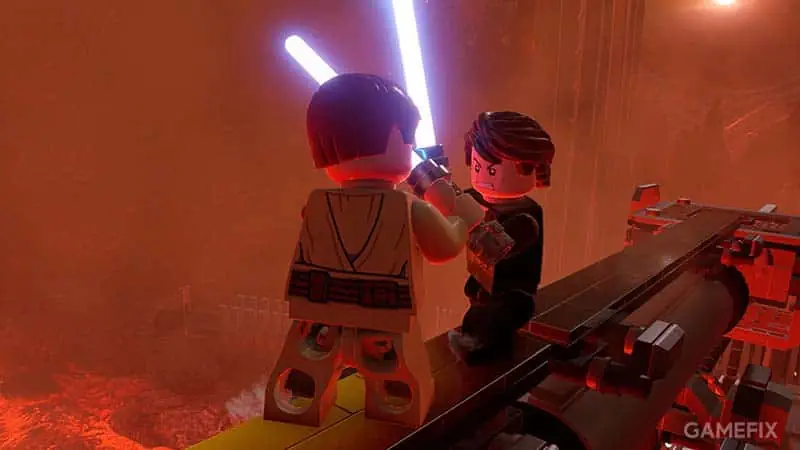
LEGO Star Wars: The Skywalker Saga covers all nine main films and lets two players move through the adventure together on the same console. Instead of following one long linear campaign, you can choose a trilogy, visit different planets, and return to previously explored areas whenever you want.
The large character roster gives co-op more variety than simply controlling two versions of the same hero. Jedi manipulate objects with the Force, bounty hunters use different tools, and characters with blasters can handle obstacles in their own way. Between story missions, free-roam areas contain collectibles, side activities, and small puzzles. It is also one of the easier games on this list to play with someone who does not usually spend much time with games.
Borderlands 4
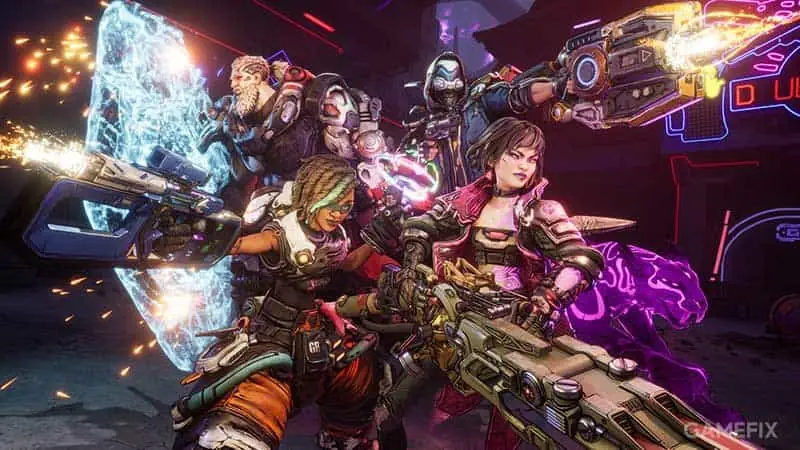
Borderlands 4 keeps the series focused on loot, character builds, and ridiculous amounts of gunfire, but its co-op systems make it easier for friends to stay together even when they progress at different speeds.
Kairos contains missions, dynamic events, open areas, and a huge pool of weapons to hunt down. The four Vault Hunters use different Action Skills and skill trees, so every member of the group can develop a noticeably different build. Level scaling reduces the problem of one player becoming far stronger than everyone else, while personal difficulty options give each person more control over their experience. PS5 also supports two-player split-screen, with online parties expanding to four players.
Deep Rock Galactic
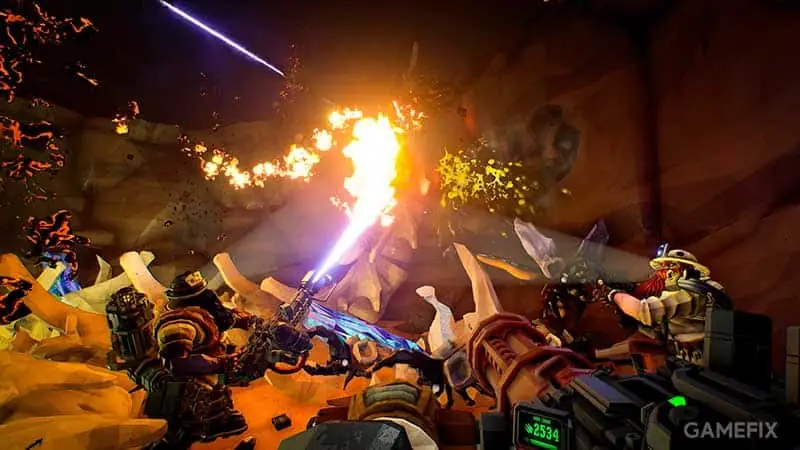
Deep Rock Galactic sends four dwarves into caves that seem determined to make sure nobody comes back. Each mission generates a different underground layout, filling it with minerals, hazards, objectives, and waves of hostile creatures.
The classes are what make the co-op work so well. Scout lights up enormous caverns, Driller cuts directly through rock, Engineer creates platforms and defensive positions, while Gunner brings the firepower needed when a swarm arrives. Since almost every part of the terrain can be destroyed, the group can create its own routes instead of searching for one intended path. A good team gradually learns how to use those tools together, especially when the mission ends and everyone has to reach the escape pod alive.
It Takes Two
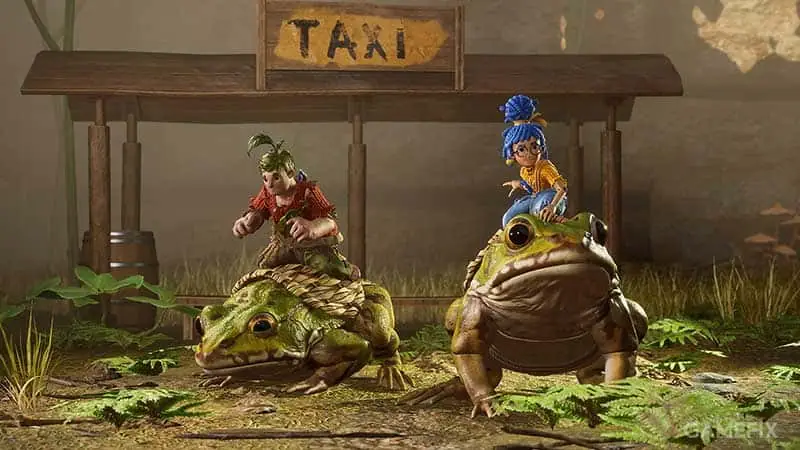
It Takes Two never treats co-op as an optional extra. Cody and May are turned into dolls while their marriage is falling apart, and almost every obstacle on their journey requires both players to contribute.
The impressive part is how often the game replaces its own mechanics. Hammer and nails become important in one chapter, magnets take over somewhere else, and later sections introduce completely different forms of movement, combat, and puzzle solving. Cody and May usually receive separate abilities that depend on each other, which keeps both players involved instead of allowing one person to do most of the work. Friend’s Pass also lets a second player join the full adventure without buying another copy.
Remnant 2
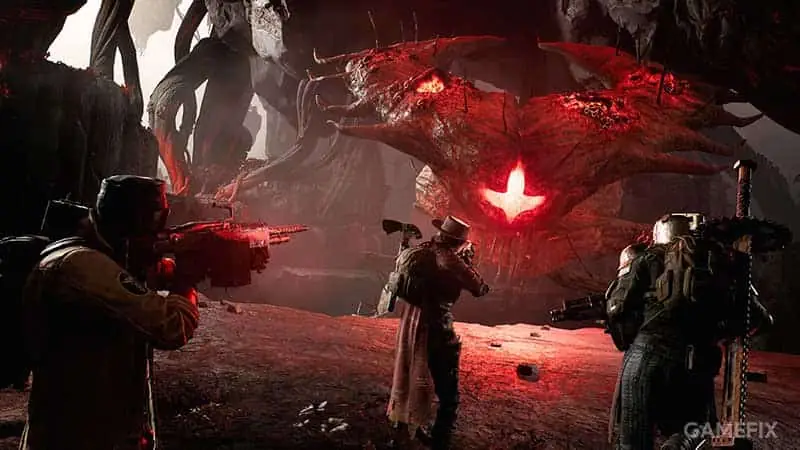
Remnant 2 mixes third-person shooting with demanding bosses, character builds, and a world structure that changes between different campaigns. Up to three players can explore together, making the search for weapons, rings, Archetypes, and hidden encounters much more enjoyable with a regular group.
The Archetype system gives players plenty of room to specialize. Some builds survive comfortably at close range, others focus on firearms, and certain combinations provide valuable support when fights become difficult. Co-op also has an unusual advantage here because another player’s world may contain quests or bosses that never appeared in your own campaign. That gives the group reasons to revisit areas rather than treating one completed playthrough as the end.
Diablo IV
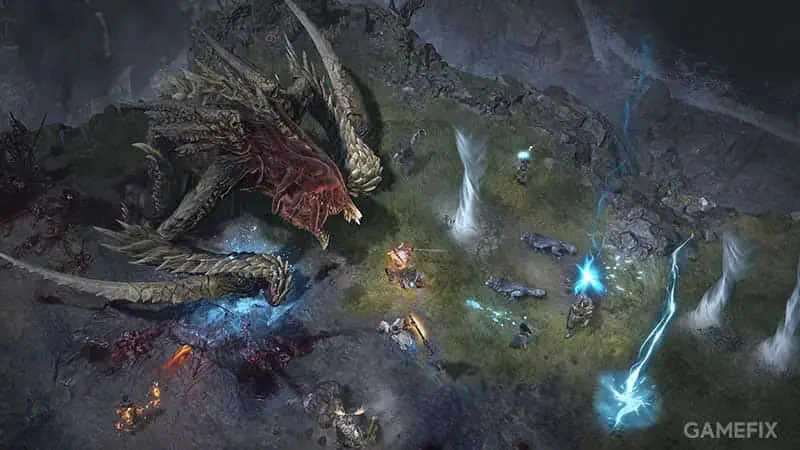
Diablo IV works particularly well with friends because there is almost always another activity waiting once the previous one ends. Sanctuary is filled with dungeons, quests, events, bosses, and equipment that can completely change how a character plays.
Classes approach combat differently, which becomes more noticeable in a group. A party can mix crowd control, heavy single-target damage, defensive abilities, and support effects instead of everyone chasing the same role. Higher-level activities and world bosses also give players something to work toward after the campaign. On PS5, two people can play together through couch co-op, while online groups support up to four players. Cross-play removes the need for everyone to use the same platform.
Teenage Mutant Ninja Turtles: Shredder’s Revenge
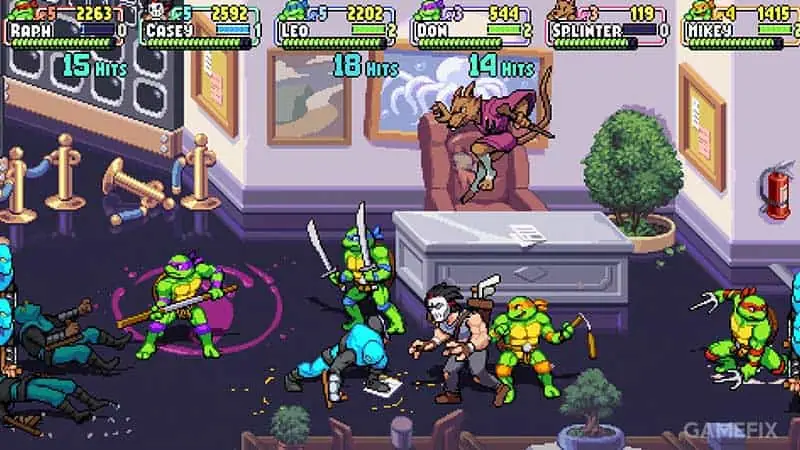
Shredder’s Revenge does not need complicated progression systems to make co-op entertaining. You choose a character, enter a stage, and start clearing Foot Clan soldiers from the screen with whoever happens to be sitting beside you.
The playable roster differs in speed, range, and attack style, giving everyone a reason to find a favorite rather than treating the characters as simple cosmetic choices. Levels travel through Manhattan, sewers, Dimension X, and other familiar locations while bosses break up the regular fights. PS5 supports four players locally, while online sessions can include up to six. With a large group, the screen quickly fills with enemies, attacks, and flying characters, which fits the old-school beat ’em up structure perfectly.
Warhammer 40,000: Space Marine 2
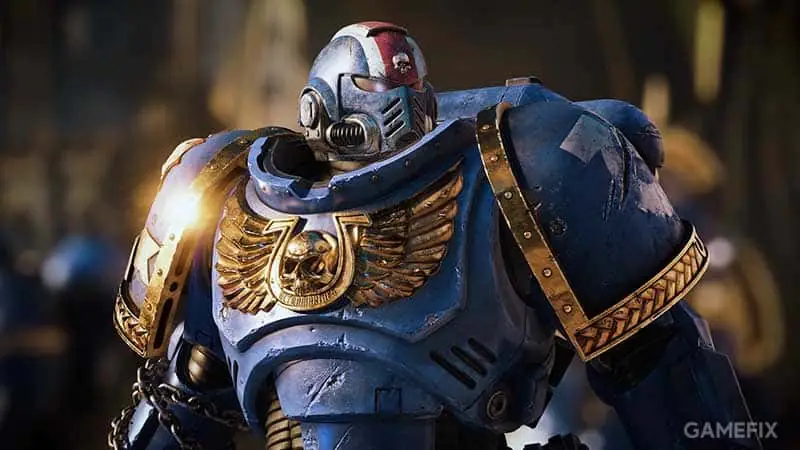
Space Marine 2 puts you against Tyranid swarms large enough to cover entire sections of the battlefield. Its campaign supports three-player co-op, while Operations takes the cooperative side further with separate PvE missions and class progression.
Classes such as Tactical, Bulwark, and Heavy use different weapons and abilities, so the squad can build around how each player prefers to fight. Combat constantly moves between shooting enemies at range and cutting through creatures that break into melee distance. Operations also gives players perks, equipment upgrades, and additional difficulty levels to chase after the main story. That extra progression makes Space Marine 2 much easier to keep playing with the same group over time.
Returnal
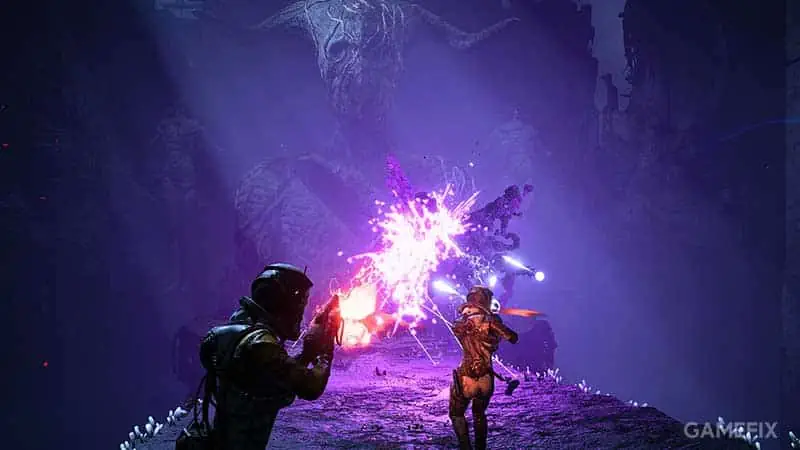
Returnal follows Selene after she crash-lands on the alien planet Atropos and becomes trapped in a cycle that starts over every time she dies. The co-op mode lets a second player join that cycle, so you can explore the shifting biomes, fight hostile creatures, and take on bosses together instead of facing everything alone.
The extra player helps most during difficult encounters because you can revive each other and split enemy pressure, but the game still keeps its punishing structure. Weapons, parasites, artifacts, and upgrades change from run to run, so every attempt develops differently. Co-op works online with two players, although some sections, including the Tower of Sisyphus, remain solo-only.
Sea of Thieves
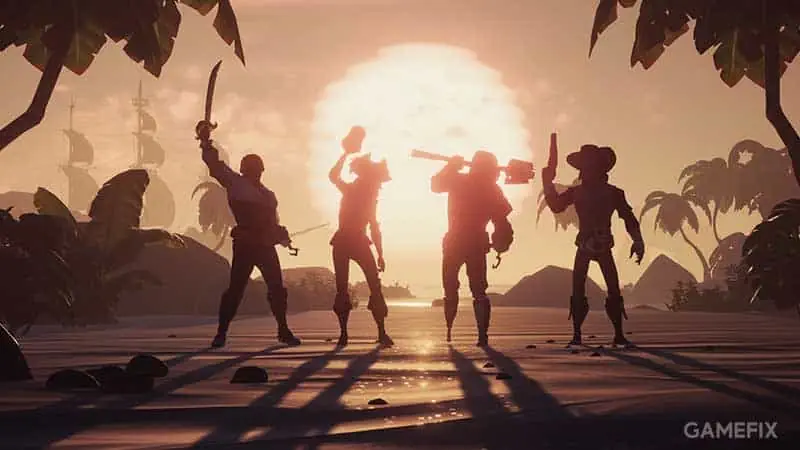
Sea of Thieves gives your group a ship, a map, and enough freedom for even a routine treasure hunt to go completely wrong. You can search islands for buried loot, attack sea forts, fight skeleton crews, hunt large creatures, or simply sail until something interesting appears on the horizon.
The ship itself creates most of the cooperation. Sails need adjusting, holes need repairing, water has to be removed, and somebody still needs to steer while cannons fire during a battle. High Seas adds other player-controlled crews to that mix, while Safer Seas provides a quieter alternative for groups more interested in exploration. There is no rigid campaign forcing everyone down the same path, so each session tends to create its own story.
Grounded
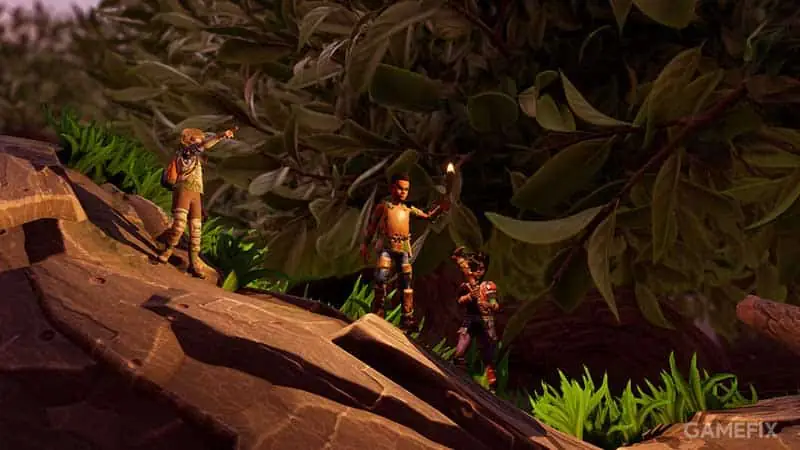
Grounded turns an ordinary backyard into a survival world after shrinking your characters to the size of insects. Grass becomes a forest, discarded objects become major landmarks, and creatures you would normally ignore can suddenly kill an unprepared group.
Up to four players can gather resources, craft weapons, build bases, and investigate what caused the shrinking. The survival systems give everyone plenty to do without splitting the group into separate activities for too long. A new tool might open access to stronger materials, while better armor lets the team enter areas that previously felt too dangerous. Shared progression also gives long-term worlds a purpose, since the base and equipment continue improving as the group explores deeper into the yard.
Sackboy: A Big Adventure
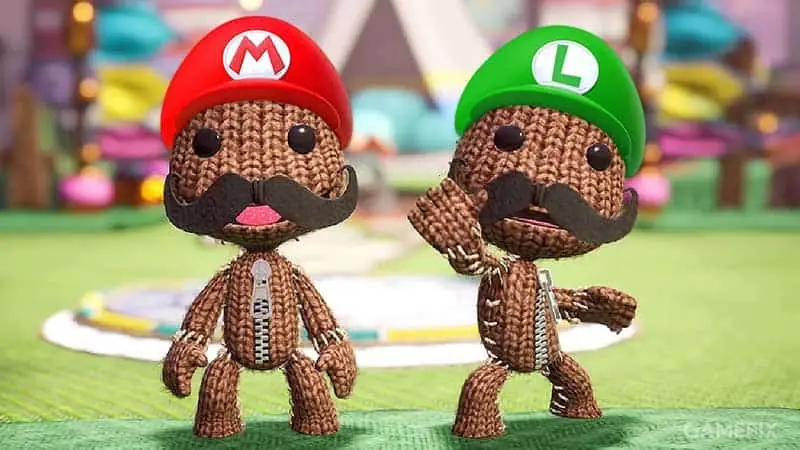
Sackboy: A Big Adventure is a good choice when your group wants something lighter than an RPG or survival game. Its platforming stages support up to four players and work both locally and online.
Most levels let the group move through the same obstacles together, but some stages are created specifically for cooperative play. These sections require players to help each other across gaps, activate mechanisms, or coordinate their timing instead of simply racing toward the finish. The controls are easy to understand, which makes Sackboy comfortable for mixed-skill groups. At the same time, collecting every Dreamer Orb and completing the harder challenges gives experienced players more to chase than simply reaching the end of each stage.
Minecraft
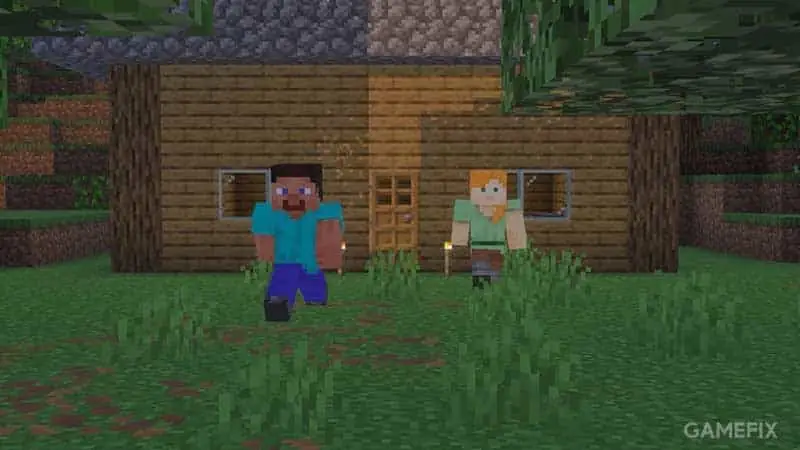
Minecraft does not tell a co-op group exactly what to do, and that freedom is still one of its biggest strengths. Friends can start with nothing, survive the first night, build a small shelter, and eventually turn the same world into a network of farms, villages, mines, and enormous construction projects.
Exploration naturally creates new goals. A search for diamonds can lead into huge cave systems, the Nether opens another dimension to explore, and later objectives include locating structures and fighting major bosses. Players who prefer building can stay close to home while others gather materials farther away. Because the world does not revolve around a fixed campaign, the same save can remain active for months or even years.
For more game recommendations, guides, reviews, and the latest gaming news, keep following Gamefix

