


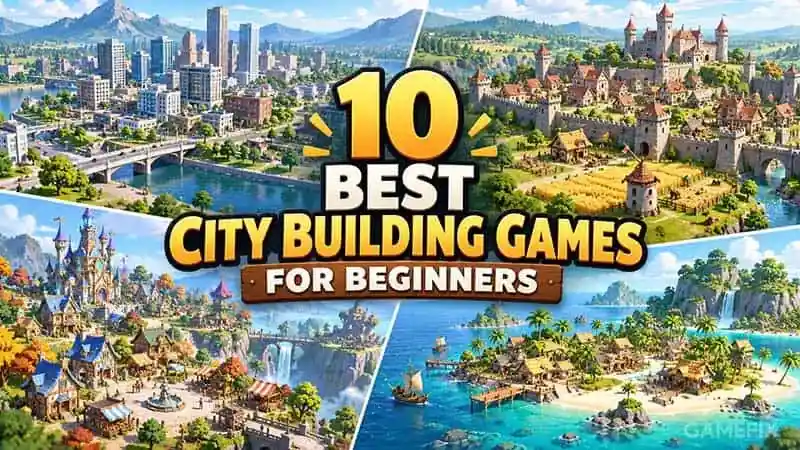
Building your first city can feel overwhelming. Roads, taxes, food supplies, and unhappy residents can quickly turn a relaxing idea into a management headache. Fortunately, not every city builder expects you to understand complicated systems straight away.
The best city building games for beginners let you learn at your own pace. Some focus on peaceful construction, while others introduce resource management and larger challenges as your settlement grows. These ten games offer different ways to get started, whether you prefer designing beautiful neighborhoods or managing a functioning city.
Town to City
Platforms: PC
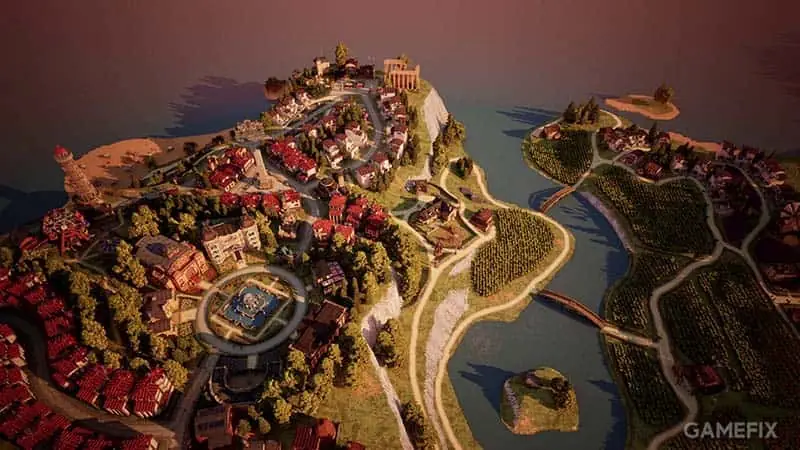
A small Mediterranean settlement is your starting point in Town to City, a colorful city builder set in the 19th century. There’s no rigid grid, so you can freely arrange houses, shops, winding streets, and public squares. As new families arrive, your settlement gradually grows into a lively town.
Beyond decorating neighborhoods, you’ll manage workers, farming, research, and tourism. Story mode gives you goals to work toward, while sandbox mode lets you experiment with your own ideas. The relaxed pace and flexible building tools make it a welcoming choice if you’re new to city builders and want to create attractive towns without dealing with complicated traffic or economic systems.
ISLANDERS
Platforms: PC, PS4, PS5, Xbox One, Xbox Series X|S, Nintendo Switch
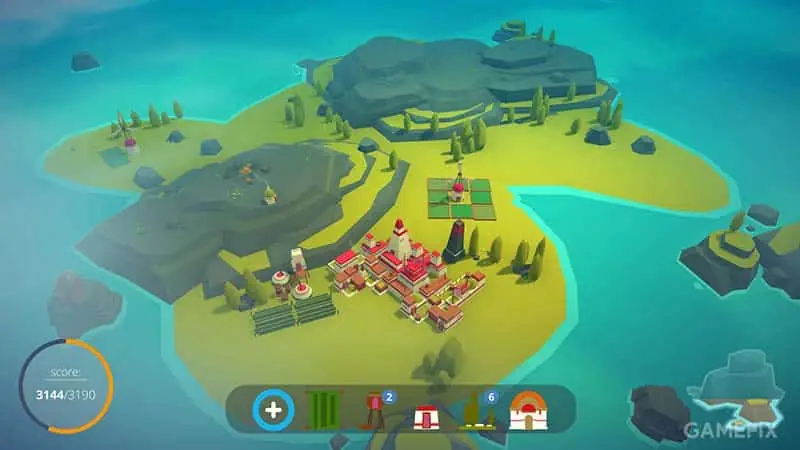
ISLANDERS strips city building down to a simple idea: place buildings in the right locations to earn points. Each island gives you limited space and a selection of structures. Lumberjacks benefit from nearby trees, while other buildings reward you for arranging certain structures together.
There’s no population happiness meter, complicated economy, or infrastructure to maintain. Instead, you experiment with placements, earn points, and unlock new buildings and islands. Sessions are short, making it easy to learn from mistakes without losing hours of progress. It’s closer to a placement puzzle than a traditional city simulator, but that’s exactly why it works so well for beginners.
Dorfromantik
Platforms: PC, PS4, PS5, Xbox One, Xbox Series X|S, Nintendo Switch
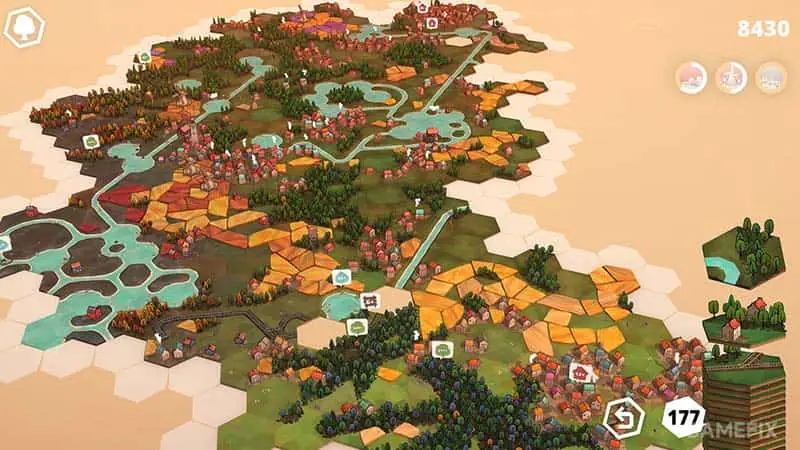
Dorfromantik replaces roads and taxes with hexagonal tiles featuring forests, villages, fields, and railway tracks. You place them one at a time, connecting matching landscapes to earn points and complete objectives. It’s a peaceful process that gradually transforms an empty board into a colorful countryside.
There are no residents to satisfy or production chains to organize. You can focus on improving your score or switch to Creative Mode to build without the usual restrictions. Although it’s more of a landscape-building puzzle than a traditional city simulator, its simple rules make it an easy introduction to planning settlements and arranging connected areas.
Kingdoms and Castles
Platforms: PC, PS4, PS5, Xbox One, Xbox Series X|S
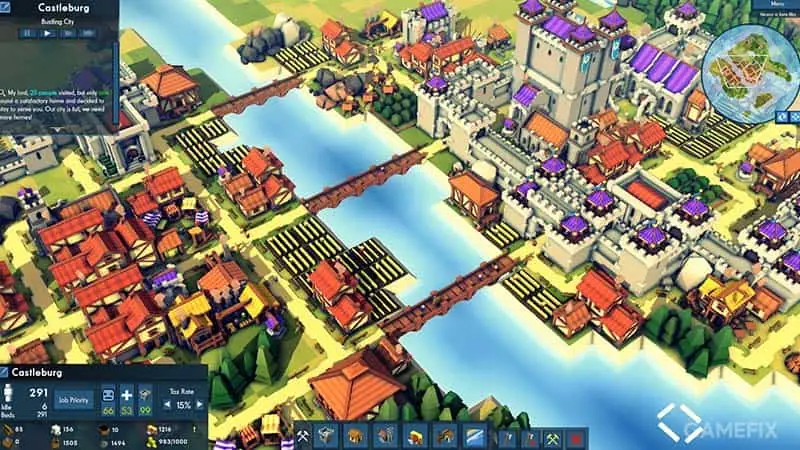
Starting with a handful of villagers, Kingdoms and Castles lets you develop a small medieval settlement into a fortified city. You’ll gather wood and stone, establish farms, construct houses, and provide essential services as your population grows. Keeping everyone fed and happy becomes increasingly important.
Viking raids and dragon attacks can threaten your kingdom, but game settings let you reduce the pressure while learning the basics. Its charming blocky visuals also make buildings and resources easy to recognize. Compared with more complicated medieval management games, the systems are relatively straightforward. It’s a good next step when you’re ready to manage resources and defend a growing town.
Fabledom
Platforms: PC, PS5, Xbox Series X|S, Nintendo Switch
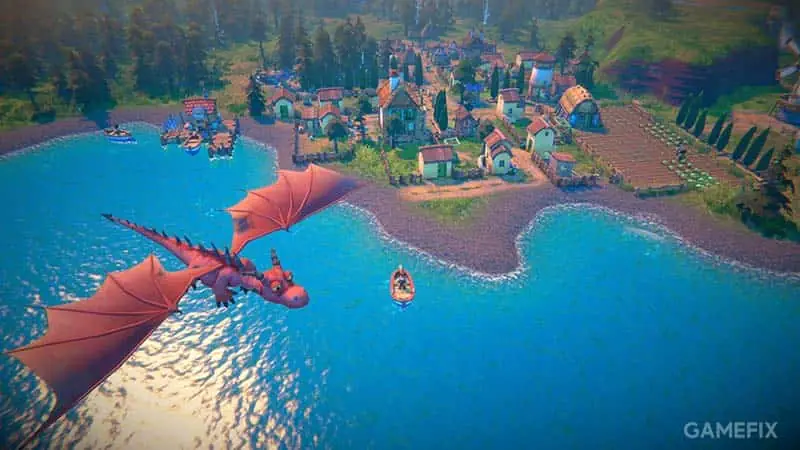
Colorful villages, fairy-tale characters, and neighboring kingdoms give Fabledom a cheerful atmosphere. You begin with a small settlement, providing homes, food, and jobs for your residents. Farms, workshops, and public buildings gradually turn your village into a functioning kingdom.
Beyond managing resources, you’ll interact with neighboring rulers through diplomacy and romance. These relationships add personality to your progression without replacing the usual responsibilities of city management. The early stages are approachable, although larger settlements still require careful planning. If modern cities seem intimidating, Fabledom is a pleasant way to learn basic production systems while building a fantasy kingdom.
Foundation
Platforms: PC
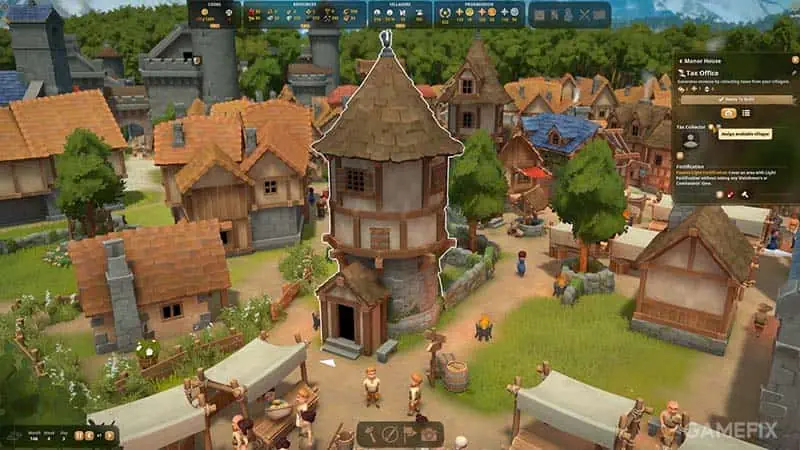
Rather than forcing every building onto a rigid grid, Foundation lets medieval settlements develop more naturally. You designate residential areas, and villagers establish their own neighborhoods. Roads gradually appear as people travel between homes, workplaces, and gathering spots.
Resource production, trade, worker assignments, and different social classes become important as your town expands. You can also design major buildings from individual sections, creating churches and monuments with distinctive layouts. Although these systems grow more involved over time, adjustable settings and Creative Mode make experimentation easier. It’s an appealing choice for beginners who enjoy organic town layouts and want more freedom than traditional grid-based city builders allow.
SteamWorld Build
Platforms: PC, PS4, PS5, Xbox One, Xbox Series X|S, Nintendo Switch
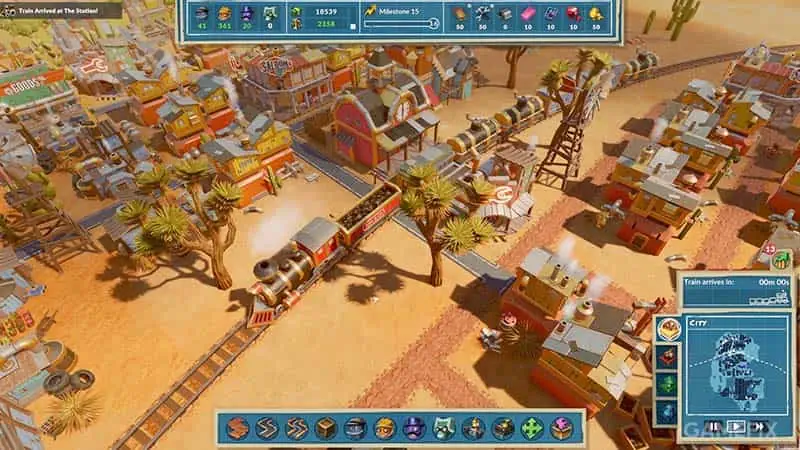
SteamWorld Build combines a frontier-style robot town with an underground mining operation. Above ground, you construct roads, homes, shops, and facilities to satisfy your residents. As the settlement develops, new production requirements encourage you to expand your economy.
Beneath the city, you’ll excavate tunnels, gather valuable resources, and overcome obstacles. Materials collected underground support construction on the surface, connecting both management systems. The game introduces these responsibilities gradually and includes selectable difficulty levels, making its unusual structure easier to understand. If you prefer city builders with clear objectives rather than completely open-ended construction, this is a good place to start.
Cities: Skylines
Platforms: PC, PS4, PS5, Xbox One, Xbox Series X|S, Nintendo Switch
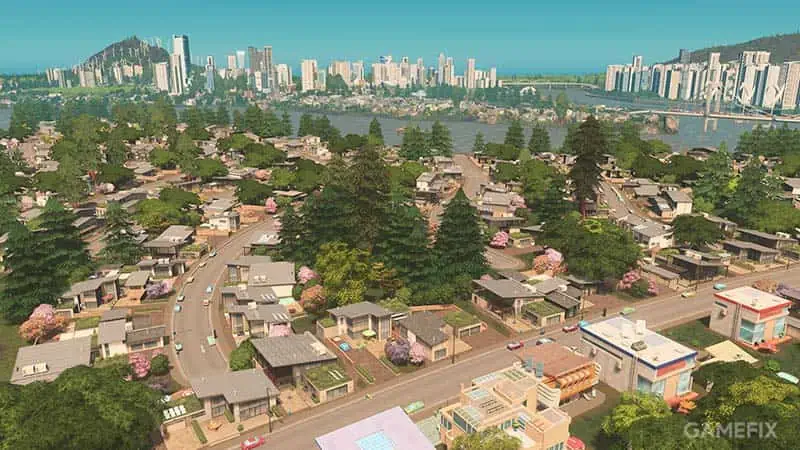
The original Cities: Skylines begins with empty land, a highway connection, and the freedom to design your own modern city. You create roads, establish residential and commercial districts, and provide electricity and water. As people move in, you’ll unlock services such as healthcare, education, and public transportation.
The early milestones introduce new responsibilities gradually, so building your first neighborhood is relatively manageable. However, traffic congestion and finances become more demanding as your population increases. Beginners should start small and expand carefully instead of immediately planning a huge metropolis. It’s an excellent introduction to realistic urban development if you’re comfortable learning more complicated systems over time.
Tropico 6
Platforms: PC, PS4, PS5, Xbox One, Xbox Series X|S, Nintendo Switch
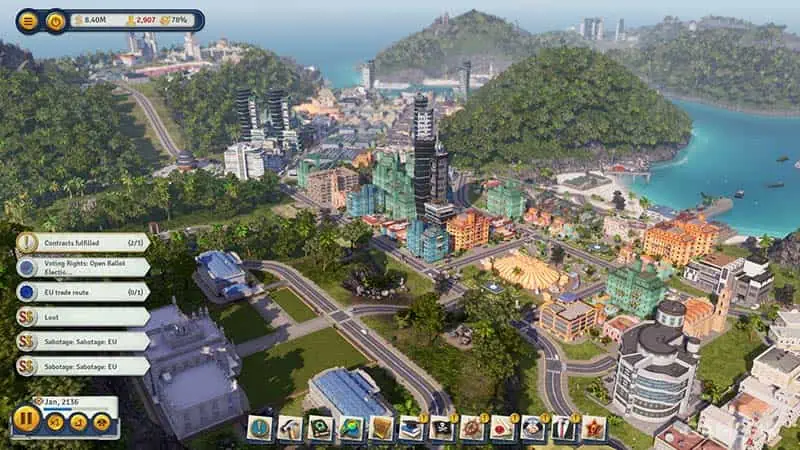
Running a tropical nation brings political problems alongside the usual city-building responsibilities in Tropico 6. You’ll establish plantations, develop industries, expand transportation, and provide public services. Meanwhile, elections, political factions, and foreign powers can influence your decisions.
The mission-based structure helps newcomers learn these systems through specific objectives instead of immediately managing an enormous sandbox. One mission might emphasize production, while another focuses on tourism or maintaining political support. Its humorous presentation also makes economic setbacks a little easier to accept. Although balancing a large nation can become challenging, the introductory missions provide a manageable way to understand the basics.
Timberborn
Platforms: PC
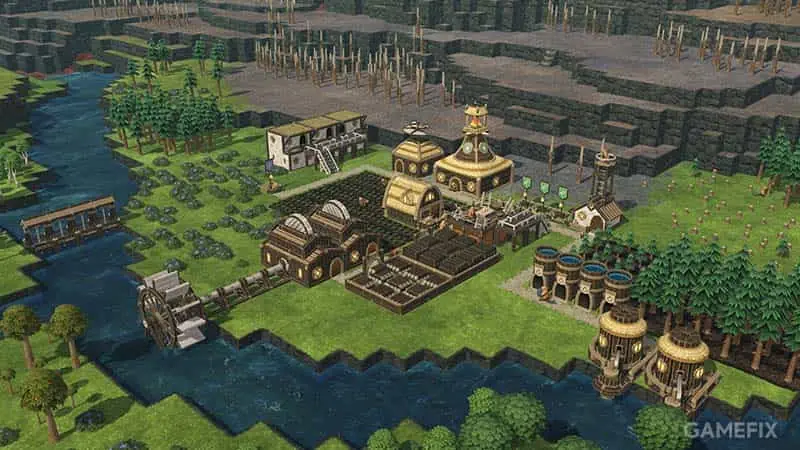
In Timberborn, intelligent beavers rebuild civilization in a world threatened by drought and contaminated water. Your settlement begins with familiar tasks such as collecting wood, growing food, and constructing homes. However, surviving dry seasons eventually becomes your biggest responsibility.
Dams, irrigation systems, and vertical construction let you reshape the landscape and control access to water. These mechanics can become demanding, especially when resources run low. Beginners should choose Easy difficulty or create a custom game with less severe environmental conditions. That gives you time to understand production and settlement planning before tackling major shortages. It’s a deeper city builder, but learning to manage water makes progress particularly satisfying.

