


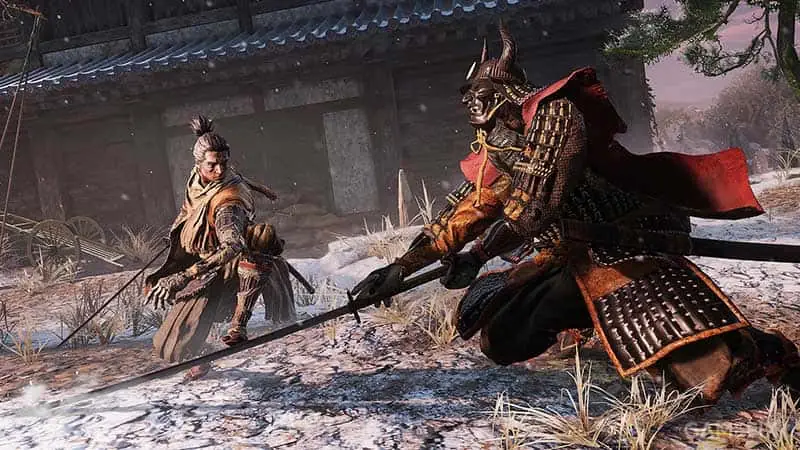
Finding games like Sekiro isn’t as simple as picking another difficult Soulslike. Sekiro: Shadows Die Twice rewards precise timing, aggressive swordplay, and learning an enemy’s attacks until you can counter them almost instinctively. Dodging alone rarely delivers the same satisfaction as a perfectly timed deflection.
Fortunately, several games take a similar approach to combat. Some build entire fighting systems around parrying, while others combine careful defense with demanding boss battles and different weapons. These ten games are worth considering if Sekiro left you wanting another challenge.
Lies of P

Few games capture the satisfaction of a perfectly timed block quite like Lies of P. Set in the ruined city of Krat, this dark interpretation of Pinocchio follows a mechanical puppet fighting through streets filled with murderous machines and grotesque creatures. Its Perfect Guard system allows you to stop incoming attacks without relying entirely on dodging. Learning an enemy’s attack rhythm becomes particularly important during boss encounters, where successful guards can help create openings for powerful attacks.
Unlike Sekiro, however, Lies of P offers extensive weapon customization. You can combine different blades and handles, experiment with Legion Arms, and develop builds around your preferred combat style. The game also gives you more freedom to approach difficult encounters through equipment and character upgrades. If Sekiro’s deflections were your favorite mechanic, this is one of the strongest alternatives.
Nine Sols
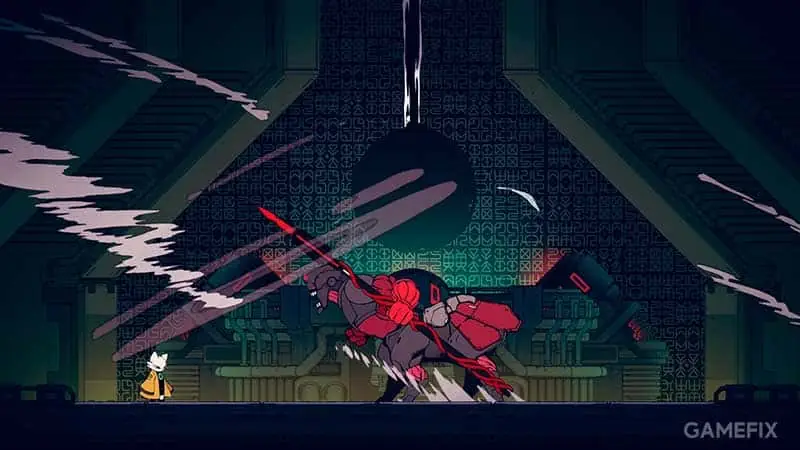
Nine Sols might look completely different from Sekiro, but its combat follows a surprisingly familiar philosophy. This hand-drawn Metroidvania combines a mysterious science-fiction setting with challenging encounters built around precise deflections. Playing as Yi, you explore an ancient world ruled by powerful beings while gradually uncovering its history. Enemies frequently attack in sequences that reward recognizing patterns rather than constantly retreating.
The combat becomes especially interesting when you attach Taoist talismans to enemies and detonate them for additional damage. Successfully defending against attacks creates opportunities to strike back, making encounters feel deliberate and rhythmic. Its major boss battles demand considerable practice, particularly when several attacks must be countered in quick succession. Anyone willing to exchange Sekiro’s three-dimensional environments for a side-scrolling adventure should give Nine Sols serious consideration.
Wo Long: Fallen Dynasty
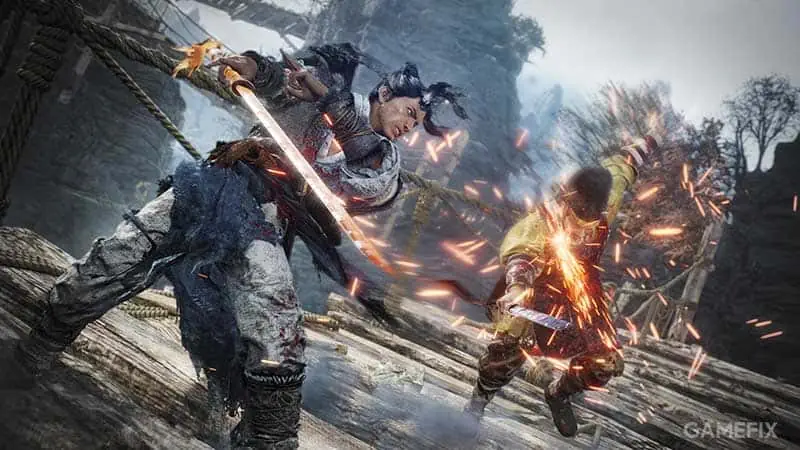
Deflecting attacks isn’t simply one defensive option in Wo Long: Fallen Dynasty. It influences almost everything you do in combat. Set during a supernatural interpretation of China’s Three Kingdoms period, the game follows a militia soldier battling human warriors and demonic creatures. Its Spirit system rewards successful deflections and attacks, allowing you to pressure enemies and eventually leave them vulnerable to powerful Fatal Strikes.
Wo Long also introduces a Morale system that affects the strength of enemies and your character throughout each battlefield. Raising flags, exploring different routes, and defeating opponents can improve your chances against dangerous bosses. Weapons, martial arts, and Wizardry Spells offer more variety than Sekiro’s relatively focused equipment system. Nevertheless, the emphasis on meeting incoming attacks with correctly timed deflections makes Wo Long one of the closest choices for players who enjoy aggressive defensive combat.
The First Berserker: Khazan
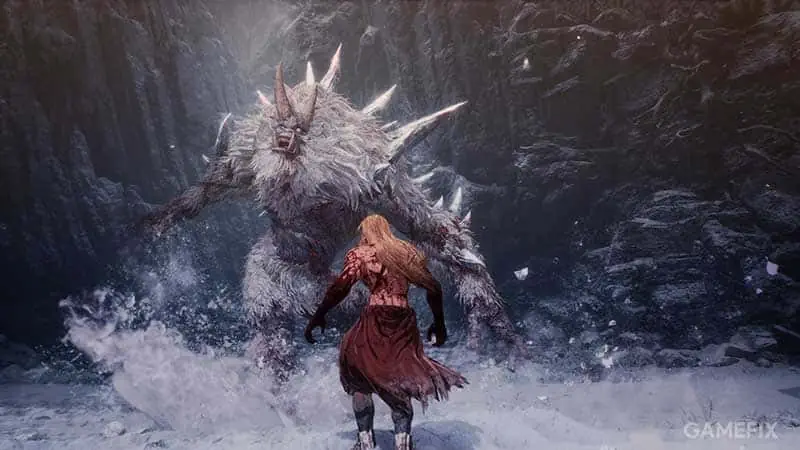
The First Berserker: Khazan places you in the role of a disgraced general seeking revenge after being betrayed and left for dead. Its demanding battles feature heavy weapons, aggressive enemies, and bosses capable of punishing careless attacks. Blocking and precisely timed guarding play important roles, while stamina management prevents you from attacking without thinking. Learning when to withstand an attack and when to retaliate can make a significant difference during difficult encounters.
Khazan offers a more equipment-driven experience than Sekiro. You can develop different builds, improve your gear, and choose between weapon types with distinct attack patterns. Its stylized visuals also give the combat an unusually sharp appearance, particularly during large boss encounters. Although the game isn’t built exclusively around deflections, its challenging close-range battles should appeal to players who enjoy mastering enemy movements through repeated attempts.
Sifu

There are no supernatural swords or towering fantasy monsters in Sifu. Instead, you fight through nightclubs, offices, and crowded buildings using martial arts inspired by Pak Mei kung fu. The game follows a young fighter seeking revenge against the people responsible for their father’s death. Its combat demands quick reactions, careful positioning, and an understanding of when to avoid or parry incoming strikes. Breaking an opponent’s Structure allows you to finish fights with powerful takedowns.
Sifu also introduces an unusual consequence for failure. A magical pendant brings your character back after death, but repeated deaths increase their age. Although you can unlock additional techniques, improvement largely comes from learning how to handle different enemy combinations. Environmental objects and improvised weapons make fights more unpredictable. If you enjoyed Sekiro because winning required genuine mechanical improvement, Sifu delivers a similarly satisfying challenge without following the traditional Soulslike formula.
Thymesia
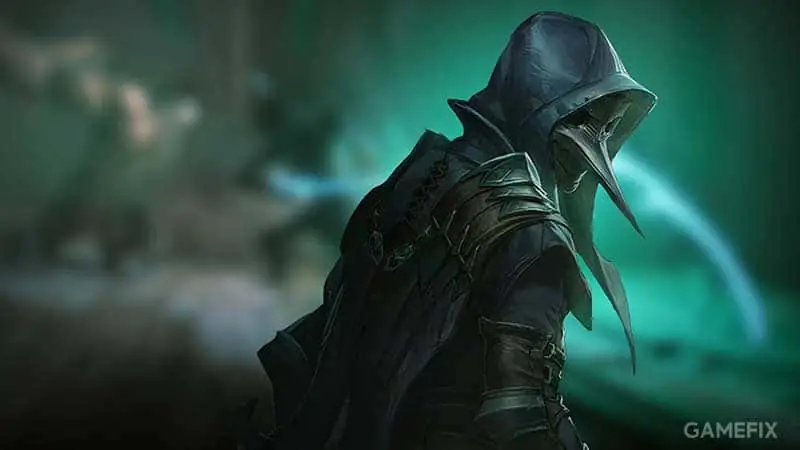
Thymesia features a combat system that rewards attacking enemies rather than waiting for safe opportunities. You control Corvus, a mysterious warrior investigating a kingdom devastated by a deadly plague. Battles revolve around reducing enemy health and dealing with wounds that can recover if you fail to maintain pressure. Deflections help you survive aggressive attacks, while your claw provides another way to exploit weakened opponents.
Its most distinctive mechanic involves Plague Weapons, which allow you to temporarily use abilities taken from enemies. Combined with Corvus’s feathers and unlockable talents, they provide different approaches to difficult encounters. The game is considerably smaller than Sekiro, with a more limited selection of environments and bosses. However, its quick combat and emphasis on maintaining pressure make it an appealing option for players who would rather master a focused fighting system than explore an enormous world.
Stellar Blade

Stellar Blade combines fast action combat with a parry system that becomes increasingly important as enemies grow more dangerous. You play as Eve, a soldier sent to a devastated Earth to fight the monstrous Naytiba. Basic attacks can be combined into lengthy combos, but difficult encounters often require more patience. Perfect Parries gradually weaken enemy Balance, while certain attacks demand specific defensive responses instead of ordinary blocking.
As you progress, additional combat skills, Beta attacks, and equipment options expand Eve’s capabilities. The game also includes exploration, platforming sections, and optional activities between its larger battles. Compared with Sekiro, Stellar Blade places greater emphasis on flashy combinations and cinematic action. However, its tougher bosses still reward learning attack patterns and responding with the correct defensive technique. It is a particularly good alternative for anyone who wants demanding parries alongside more elaborate offensive moves.
Star Wars Jedi: Survivor
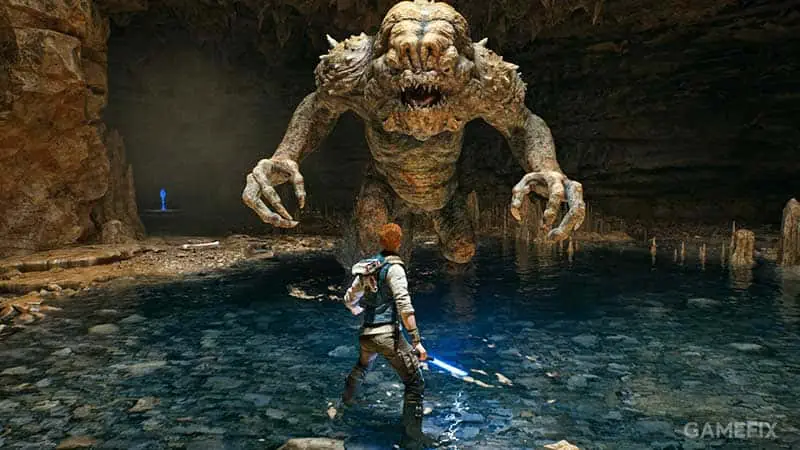
Cal Kestis returns in Star Wars Jedi: Survivor with a wider selection of lightsaber techniques and increasingly dangerous enemies to confront. Lightsaber combat includes blocking, parrying, and breaking an opponent’s guard, while the Force provides additional ways to control encounters. Successfully timing your defense can interrupt an attack and open the way for a counter. Enemies also use unblockable strikes, forcing you to recognize when a dodge is the better response.
One of the game’s biggest differences from Sekiro is its selection of lightsaber stances. Dual-wielding offers a faster approach, while the Crossguard stance favors slower, heavier attacks. Exploration also plays a larger role, with platforming challenges, hidden areas, and abilities that unlock previously inaccessible locations. On higher difficulty settings, the combat demands noticeably more precision. It is a strong choice for players who enjoy sword-based action but also want a substantial story-driven adventure.
Rise of the Ronin
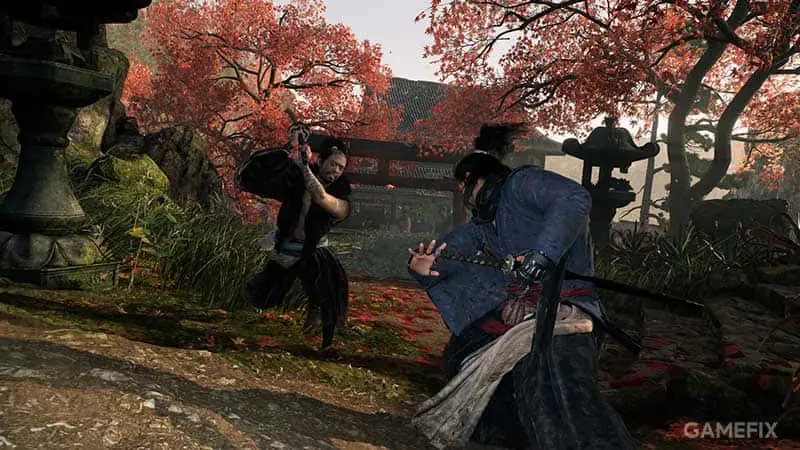
Rise of the Ronin takes place in nineteenth-century Japan, during a period of political upheaval and conflict. Its sword combat revolves around different fighting styles, weapon choices, and a technique called Counterspark. This move allows you to counter incoming attacks with precise timing, disrupting an enemy’s momentum and creating opportunities to strike. Managing Ki is equally important, especially when facing skilled opponents who can exhaust an unprepared fighter.
The game differs from Sekiro through its open-world structure and extensive customization. You can undertake missions, explore towns and countryside, develop relationships with characters, and change weapons to suit different situations. Firearms and additional equipment also create more tactical options during combat. The result isn’t quite as tightly focused as Sekiro, but the combination of demanding sword encounters and historically inspired exploration gives Rise of the Ronin its own appeal.
GRIME
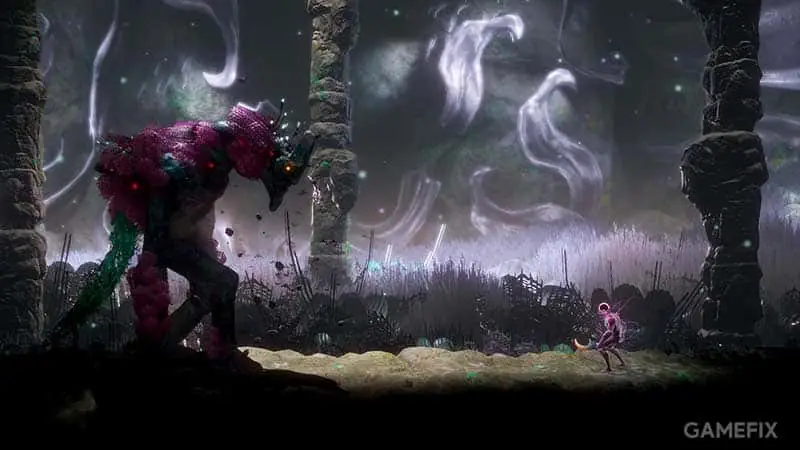
GRIME is another unusual recommendation for Sekiro fans, trading traditional sword duels for a strange world filled with distorted creatures and living stone. Its defining combat mechanic allows you to absorb certain incoming attacks by timing your defense correctly. Successful absorptions can destroy enemies and contribute to unlocking new abilities, making the act of countering an important part of character progression.
Rather than focusing entirely on boss fights, GRIME combines demanding combat with interconnected environments and abilities that gradually expand where you can travel. Different weapons and traits let you shape your preferred approach, while larger enemies require careful observation before committing to attacks. Its unsettling art direction gives the adventure a distinctive identity. Although its Metroidvania structure is quite different from Sekiro, players who enjoy studying enemy movements and turning well-timed defensive actions into advantages may find plenty to appreciate here.
Which Game Should You Play After Sekiro?
Lies of P and Wo Long: Fallen Dynasty are excellent starting points if you want another third-person game where correctly timed defenses are central to combat. Nine Sols takes that idea into a challenging 2D adventure, while Sifu focuses on martial arts and learning from repeated failures.
For more character customization, The First Berserker: Khazan and Rise of the Ronin offer additional options. Meanwhile, Stellar Blade and Star Wars Jedi: Survivor combine parrying with broader action-adventure mechanics. None of these games copies Sekiro exactly, but each captures something worthwhile about learning to fight through timing and practice.

