


The best games with dungeons and loot make hours of dungeon crawling worthwhile, especially when a difficult boss fight rewards you with a powerful weapon. However, not every game handles rewards the same way. Some hide valuable equipment behind challenging encounters, while others let you replay dungeons to perfect your character build.
That progression gives you reasons to explore dangerous areas, experiment with different weapons, and return for another attempt. From third-person action RPGs to traditional dungeon crawlers, these ten games approach that formula in different ways.
Remnant II
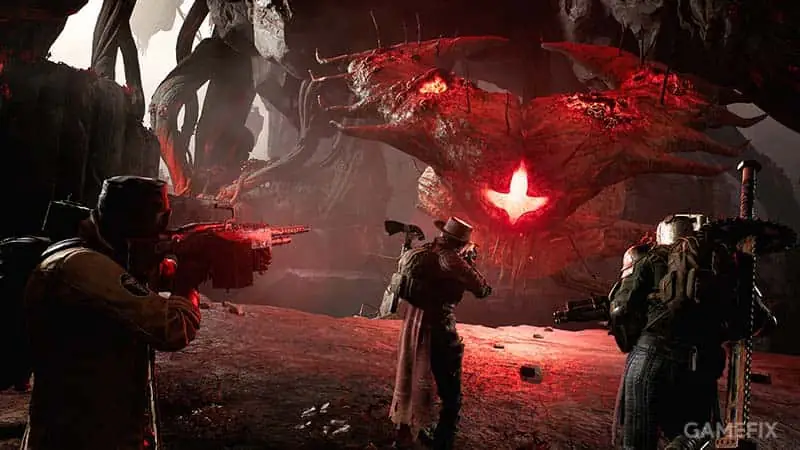
A hidden doorway might lead to a powerful weapon, an optional boss, or an entire quest you never encountered before. Remnant II builds much of its appeal around discoveries like these. Its procedurally assembled worlds contain changing dungeon layouts, encounters, and rewards that encourage multiple playthroughs. Combat combines firearms, melee weapons, and character abilities, while the Archetype system allows you to create different builds. Boss fights demand careful movement and an understanding of enemy attack patterns. Unlike traditional loot-heavy RPGs, equipment does not constantly drop with random statistics. Instead, finding a particular ring, amulet, or weapon can open up entirely new strategies.
Nioh 2
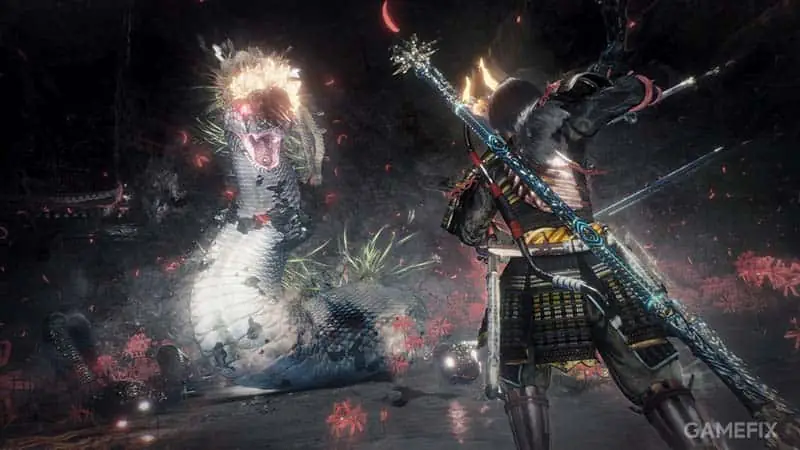
Nioh 2 turns equipment management into an important part of mastering its demanding combat. Weapons and armor come with different attributes, rarity levels, and bonuses, giving you plenty of reasons to revisit missions. However, stronger gear cannot replace good timing. Its three combat stances, Ki Pulse mechanic, and Yokai abilities require practice, especially against powerful bosses. Many missions lead through temples, caves, villages, and other hostile environments packed with shortcuts and dangerous encounters. The real satisfaction comes from combining mechanical skill with a carefully developed character build. Players who enjoy Soulslike combat but want a deeper loot system should find plenty to explore here.
Stranger of Paradise: Final Fantasy Origin
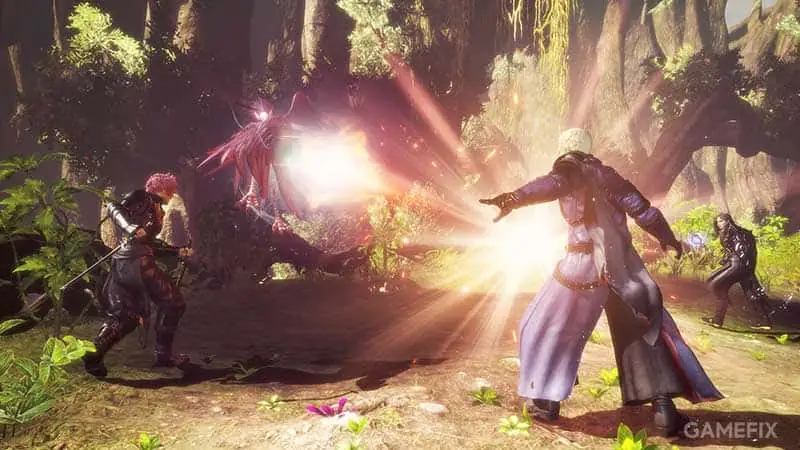
Jack Garland’s journey involves considerably more equipment management than you might expect from a Final Fantasy action game. Defeated enemies leave behind weapons and armor with varying properties, while the Job system lets you switch between different combat roles. You can equip two Jobs and alternate between them during fights, creating combinations that suit aggressive melee combat, magic, or defensive play. Each mission takes you through enemy-filled locations before confronting a powerful opponent. The Soul Shield mechanic also rewards precise timing by allowing you to absorb certain attacks. Its extensive equipment progression makes repeated missions worthwhile, particularly when experimenting with Job affinities and higher difficulty settings.
Tiny Tina’s Wonderlands
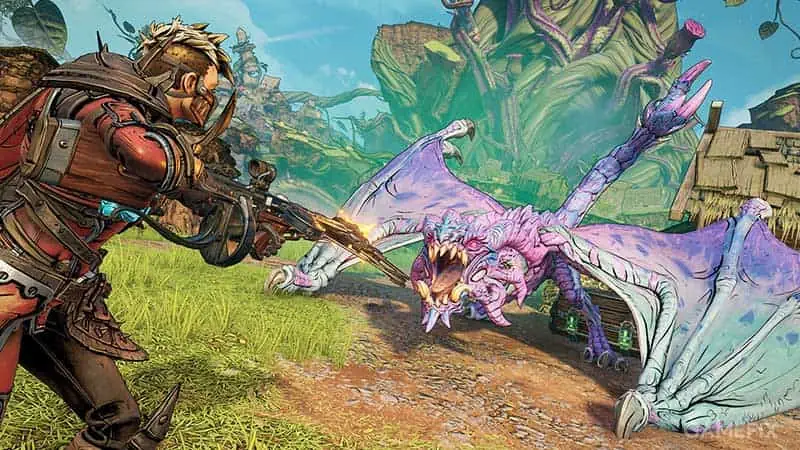
Tiny Tina’s Wonderlands replaces the usual fantasy sword with an unpredictable mixture of firearms, spells, and magical equipment. Its campaign takes you through castles, crypts, and monster-filled locations inspired by tabletop RPG adventures. However, the Chaos Chamber becomes especially important once you finish the story. This replayable activity combines combat rooms, optional challenges, modifiers, and boss encounters. Completing a run rewards you with opportunities to obtain different types of equipment, including weapons, rings, and amulets. The game also supports multiclass character builds, letting you combine abilities from different classes. It is an appealing choice for players who want dungeon crawling with faster, first-person combat.
Last Epoch
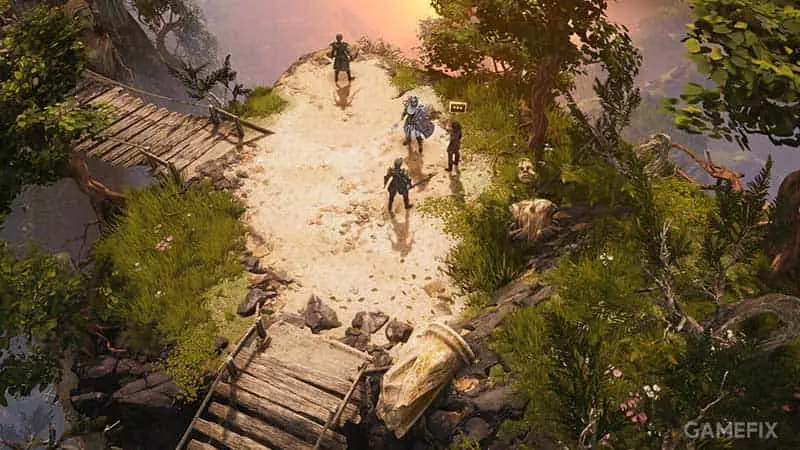
Last Epoch gives dungeon exploration a meaningful role in its endgame progression. Temporal Sanctum, Soulfire Bastion, and Lightless Arbor each feature distinct mechanics and rewards rather than simply changing the enemies you fight. Temporal Sanctum, for example, uses time-shifting mechanics and provides access to the Eternity Cache for creating Legendary equipment. Outside these dungeons, the game’s crafting system lets you improve item affixes and refine equipment for specific character builds. Five base classes branch into different Masteries, opening up numerous combinations of skills and passive abilities. If you enjoy examining item statistics and planning long-term character development, Last Epoch offers plenty of depth without relying entirely on random drops.
Grim Dawn
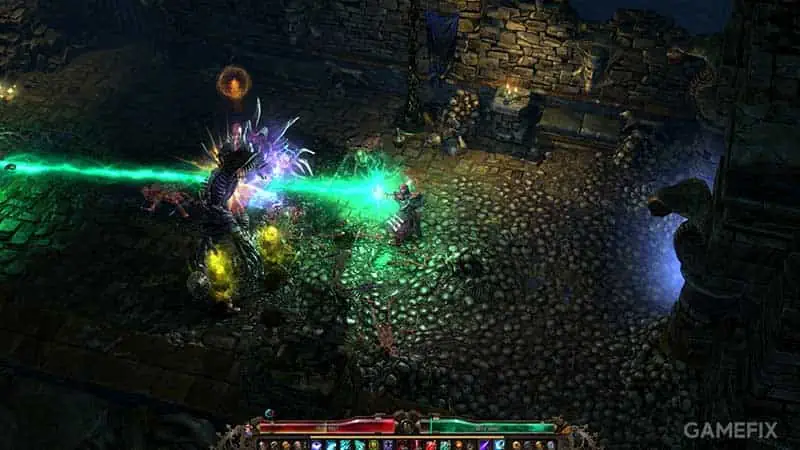
The ruined world of Cairn contains dangerous underground areas, secret locations, and enemies capable of dropping equipment with unusual properties. Grim Dawn combines traditional action RPG combat with a flexible dual-class system that allows you to mix different Masteries. Its itemization becomes particularly interesting when you start collecting Monster Infrequents, rare equipment associated with specific enemies. Challenging areas such as Steps of Torment and Bastion of Chaos give experienced players additional reasons to explore. Meanwhile, components, crafting, and the Devotion system provide several ways to refine a character. Grim Dawn rewards players who enjoy experimenting with builds and investigating every corner of its dark world.
Diablo IV
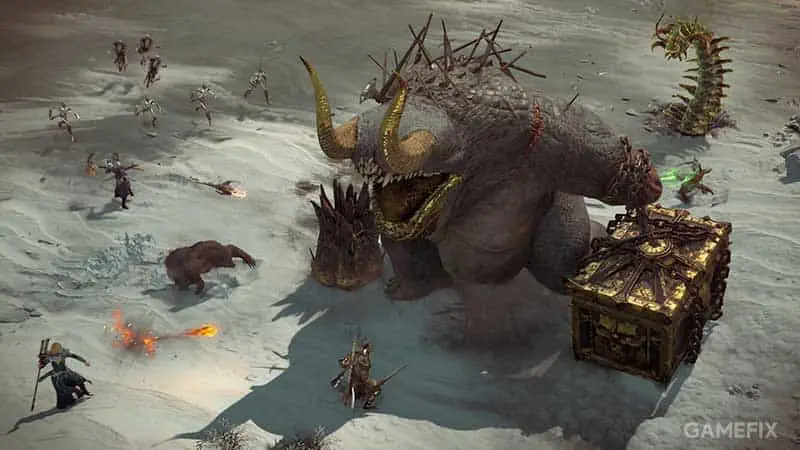
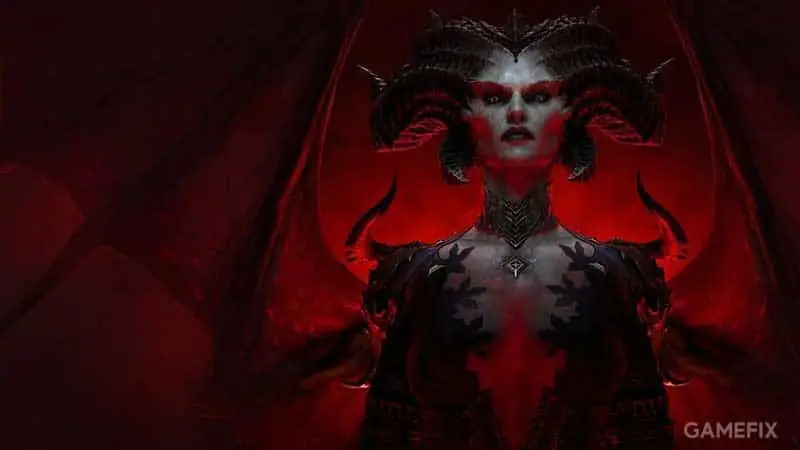
For players who enjoy fighting through waves of monsters and constantly improving their equipment, Diablo IV remains a straightforward choice. Its Sanctuary setting is filled with dangerous dungeons, elite enemies, and powerful bosses. Nightmare Dungeons add modifiers and more demanding encounters, encouraging players to improve their builds as they progress. Equipment rarity, Legendary powers, and item upgrades play important roles in shaping different classes. However, the appeal goes beyond collecting higher numbers. Choosing abilities that work together can noticeably change how your character performs in combat. Seasonal updates also alter progression systems and available activities, making it important to check the current endgame before planning a long-term build.
Elden Ring
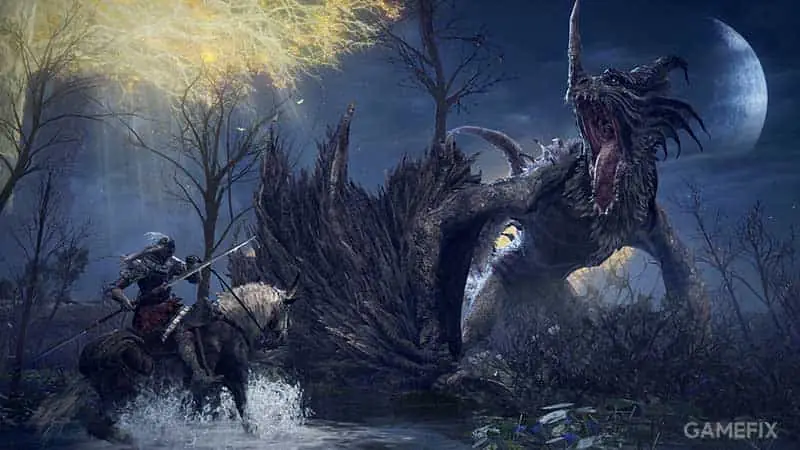
Elden Ring approaches dungeon rewards differently from traditional loot-focused RPGs. Instead of constantly generating weapons with random attributes, it places memorable equipment in specific locations throughout its enormous world. Hidden catacombs, underground ruins, mines, and optional caves often contain unique enemies, valuable upgrade materials, or bosses guarding special rewards. Exploring these locations can lead to weapons, talismans, Ashes of War, and Spirit Ashes that influence your build. The combat demands patience, particularly when facing enemies with complex attack patterns. Its greatest strength is the connection between exploration and progression. Discovering an overlooked dungeon can be just as rewarding as defeating a major story boss.
Wayfinder
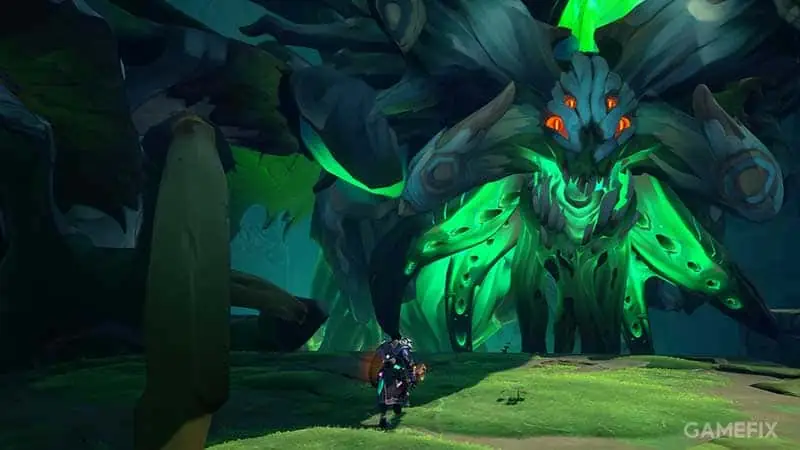
Wayfinder combines colorful fantasy environments with fast third-person combat and a rewarding equipment loop. Following its transformation into a more traditional single-player and cooperative action RPG, its structure focuses on exploring dangerous areas, defeating enemies, and developing different playable characters. The Lost Zones provide dungeon-style adventures with changing conditions and encounters, while the Echo system allows players to customize character strengths. Weapons, accessories, and other progression rewards help support different approaches to combat. You can concentrate on close-range attacks or choose a style that favors ranged weapons. Its appeal lies in offering repeatable dungeon activities without requiring the ongoing commitments associated with a large MMO.
Chronicon
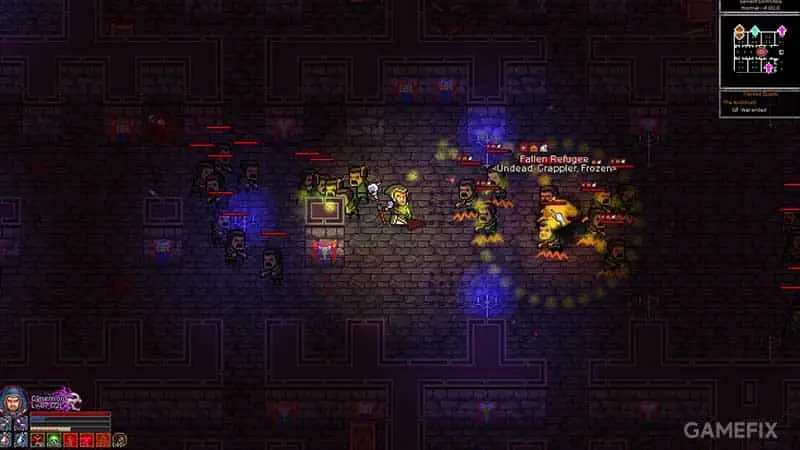
Don’t let Chronicon’s modest pixel-art presentation fool you. Beneath its colorful visuals sits an extensive action RPG built around character customization and collecting equipment. Four playable classes offer different skills and combat styles, while procedurally generated areas keep dungeon exploration from becoming completely predictable. Hundreds of unique items, randomized enchantments, equipment sets, and crafting options provide plenty of possibilities for experimenting with builds. Its endgame also features randomized dungeons and boss encounters designed for increasingly powerful characters. Chronicon is particularly appealing to players who enjoy the traditional Diablo formula but prefer spending time developing creative builds rather than following a complicated open-world storyline.
Which Dungeon Loot Game Should You Play?
Remnant II and Nioh 2 are excellent starting points if you prefer third-person action and demanding boss encounters. Last Epoch, Grim Dawn, and Chronicon focus more heavily on character builds and equipment customization. Meanwhile, Tiny Tina’s Wonderlands offers a faster alternative built around firearms and randomized rewards.
If exploration matters more than random loot, Elden Ring takes a different approach with hidden dungeons and carefully placed equipment. Ultimately, the right choice depends on whether you enjoy discovering unique items, farming powerful gear, or overcoming difficult bosses through practice.

