


Some of the best overlooked open-world games never received the attention they deserved. Bad timing, technical problems, platform limits, or comparisons with bigger releases can bury a great game quickly.
Several titles on this list later built loyal fanbases. Others simply disappeared from mainstream discussion. However, each one still has something worth experiencing today. From brutal vehicle combat to dense cities and huge fantasy worlds, these games deserve another look.
Mad Max
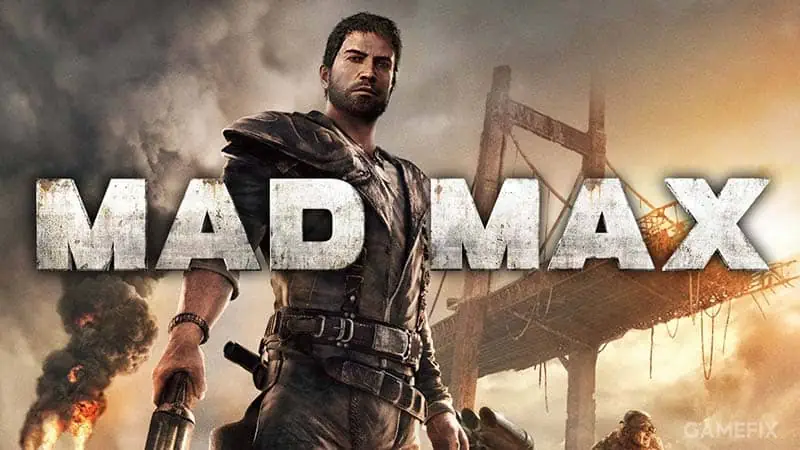
Driving across a barren wasteland sounds like it could become repetitive, but Mad Max avoids that problem by making your car one of the most important parts of the game.
The Magnum Opus grows stronger as you improve its armor, engine, weapons, and harpoon. Convoy battles turn the open road into a battlefield, while camps and enemy strongholds give you plenty to clear.
Its release timing did not help. Mad Max launched on the same day as Metal Gear Solid V: The Phantom Pain, which made it much harder to stay in the spotlight.
Years later, its vehicle combat still feels unusually strong. Few open-world games make driving this important to the entire experience.
Sleeping Dogs
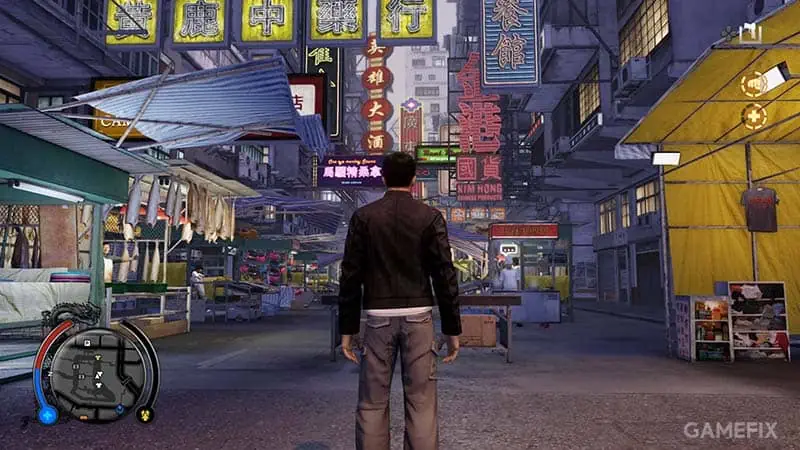
Sleeping Dogs arrived when almost every open-world crime game faced comparisons with GTA. That made it easy for some players to dismiss it too quickly.
Wei Shen works undercover inside the Sun On Yee triad. The story constantly places him between his police duties and his growing connection to the criminal world.
The real highlight is melee combat. Counters, grapples, environmental finishers, and martial arts give fights a rhythm that still feels satisfying today. Hong Kong also feels dense rather than unnecessarily huge, so streets stay busy and missions rarely feel far apart.
That strong identity is one reason players still talk about the game years later.
The Saboteur
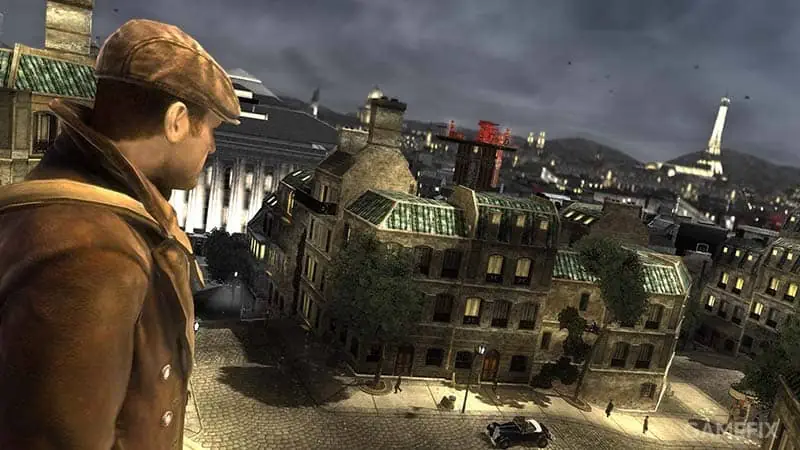
The Saboteur does much more with occupied Paris than simply use it as scenery. Sean Devlin joins the resistance and helps weaken German control across the city by destroying military targets, infiltrating restricted areas, climbing buildings, and sabotaging enemy positions.
Its visual system remains the most memorable idea. Areas under occupation appear largely in black and white, while color gradually returns as resistance grows. That gives progress a visible effect on the world itself.
Pandemic Studios was closed shortly before the game launched, leaving The Saboteur with little chance to grow into a larger series.
Its ideas still make it one of the most distinctive overlooked open-world games on this list.
Days Gone
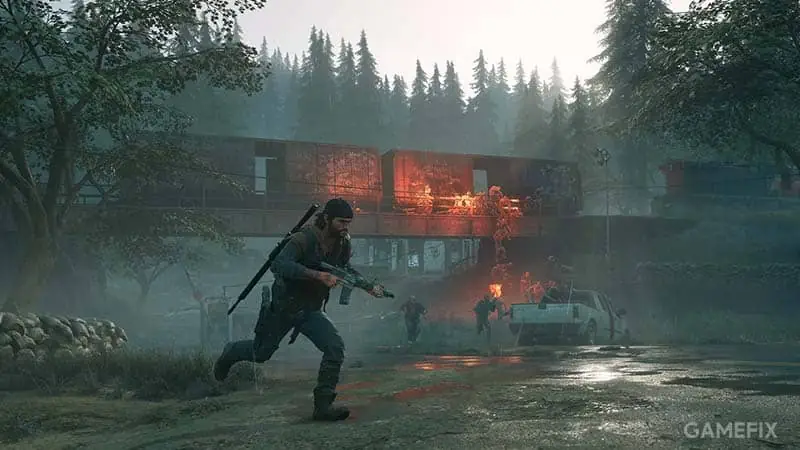
Days Gone suffered from a difficult first impression. Technical problems and a slow opening shaped much of the early conversation around the game.
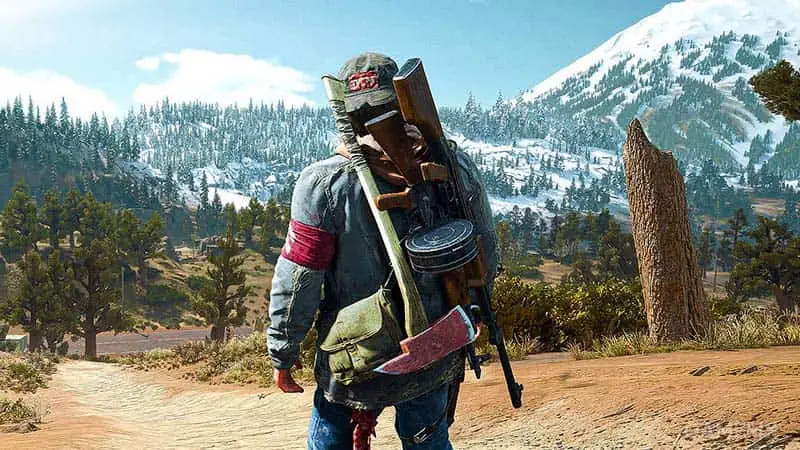
Once its larger systems start working together, however, the experience becomes much stronger. Deacon St. John travels through Oregon by motorcycle while managing fuel, weapons, supplies, and equipment. The motorcycle is not just transportation; it becomes a key part of survival and exploration.
The biggest attraction is the Freaker hordes. Huge groups can force you to plan routes, prepare traps, and keep moving constantly. Very few open-world games create the same panic when hundreds of enemies suddenly begin chasing you.
Days Gone eventually built a much stronger reputation than it had at launch.
Sunset Overdrive
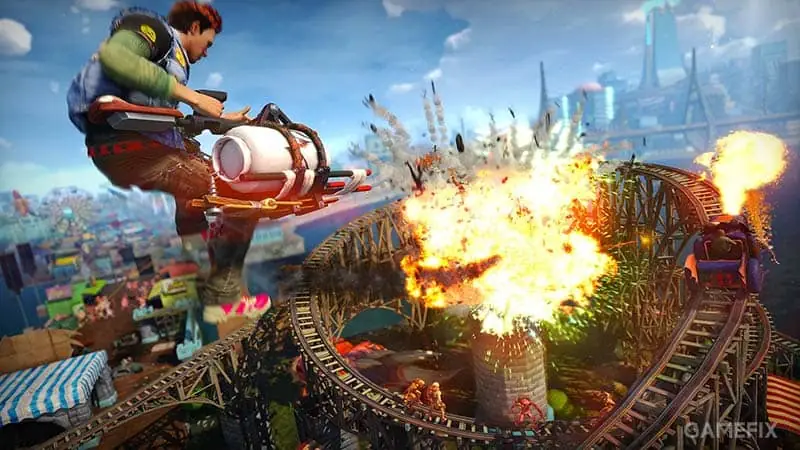
Sunset Overdrive never asks you to move through its world normally. You grind along rails, bounce from objects, run across walls, and use air dashes to stay above the streets.
Movement also feeds directly into combat through the Style Meter and Amps system, rewarding creative play instead of standing still. Its weapons are equally ridiculous, and the game fully embraces explosive, colorful ideas.
That personality made it easy for some players to dismiss, while remaining an Xbox console exclusive also limited its audience. Even today, very few open-world games combine parkour and combat with this much speed.
Rise of the Ronin
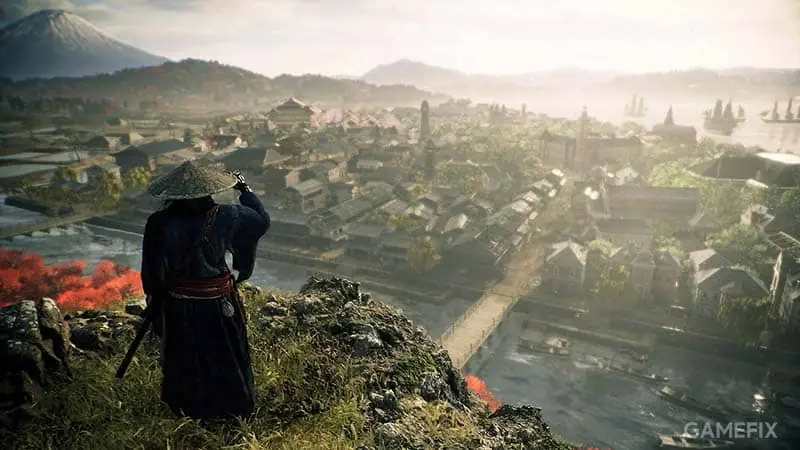
Rise of the Ronin had a difficult launch window. It arrived on the same day as Dragon’s Dogma 2, while its visuals also received plenty of criticism.
Those conversations distracted from the game’s strongest feature: combat. You create your own ronin and explore 19th-century Japan while switching between different weapon styles. Counterspark lets you deflect attacks and control the rhythm of difficult duels.
Katanas, spears, dual swords, and firearms all change how fights play out. Character relationships can also affect certain missions and story paths.
The open-world structure is not perfect, but its sword combat is much deeper than the game’s early reputation suggests.
Ghost Recon Wildlands
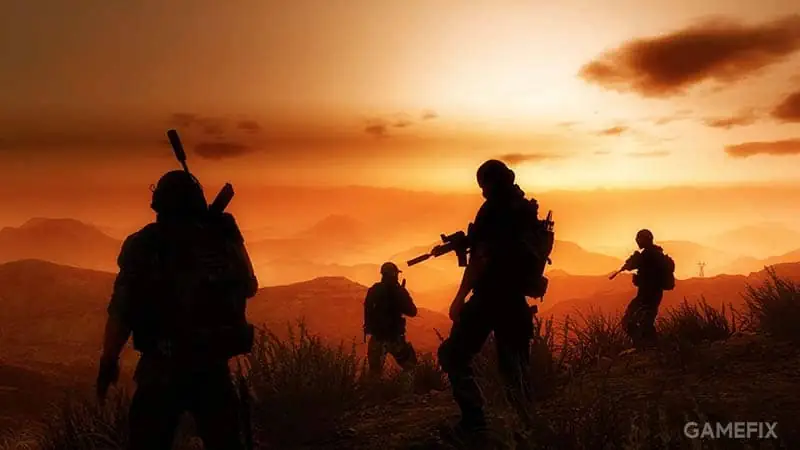
Ghost Recon Wildlands looked familiar when it first arrived. Its huge map and Ubisoft-style structure made some players assume they already knew exactly what to expect.
The real strength comes from mission freedom. You can scout a base with drones, mark enemies, coordinate synchronized shots, and enter quietly. If the plan fails, the same mission can quickly become a large firefight.
Co-op makes this even better, because carefully prepared operations can collapse into chaos within seconds. Bolivia is enormous, and the mission structure can become repetitive, but the freedom to approach objectives in different ways keeps the sandbox enjoyable.
Few modern games offer the same four-player tactical experience across such a large open world.
Immortals Fenyx Rising
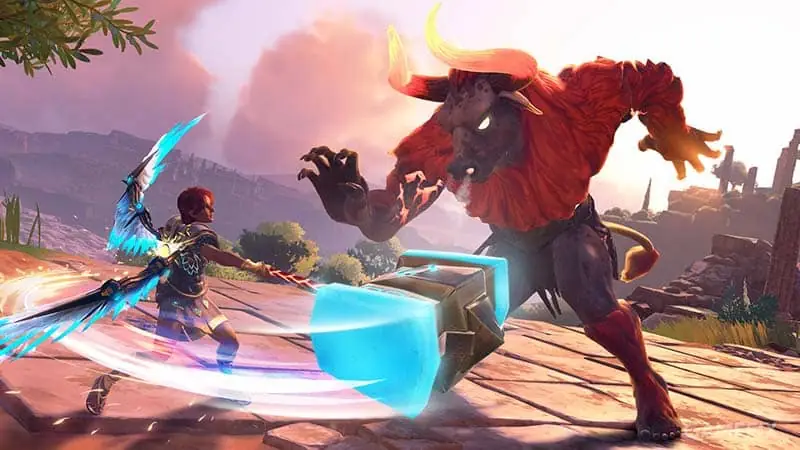
Immortals Fenyx Rising could never escape comparisons with Breath of the Wild. Climbing, gliding, physics puzzles, and a colorful fantasy world made those comparisons understandable.
However, the game develops its own rhythm once you spend more time on the Golden Isle. Fenyx explores different regions while trying to free the gods from Typhon’s influence.
Vaults of Tartaros contain some of the best puzzles and platforming sections, while divine abilities gradually make combat faster and more flexible. Traditional map icons sometimes weaken the sense of discovery, but the combination of movement, puzzles, and combat makes Immortals Fenyx Rising much better than its reputation suggests.
Star Wars Outlaws
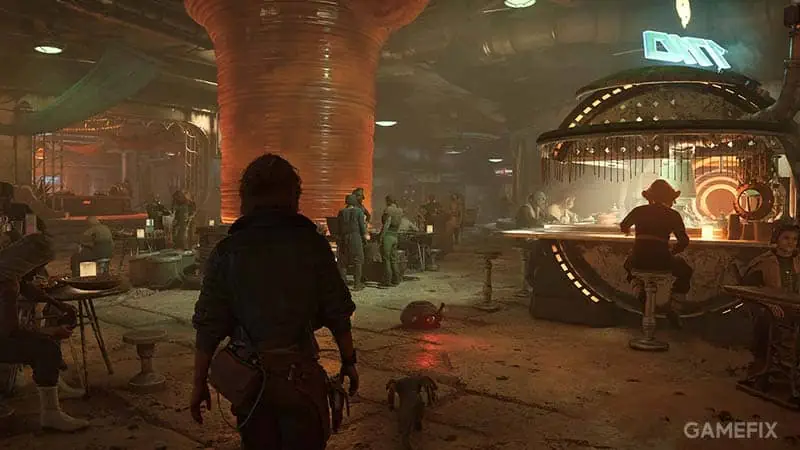
Star Wars Outlaws had a rough start. Technical issues, restrictive stealth sections, and familiar open-world systems dominated much of the launch discussion.
Later updates made several parts of the experience more flexible. Kay Vess also gives the game a different type of Star Wars story. Instead of another Jedi adventure, you follow a criminal trying to survive between powerful syndicates.
Reputation systems affect those relationships, while Nix adds useful options during exploration and stealth. Cities, cantinas, speeders, and different planets help sell the criminal-underworld fantasy.
Not every system works equally well, but judging Outlaws only by its launch problems ignores many of its strongest qualities.
Avatar Frontiers of Pandora
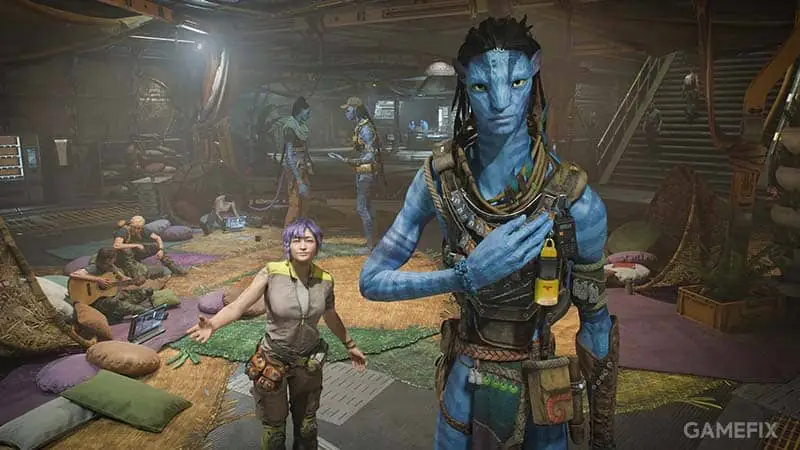
Avatar Frontiers of Pandora was quickly labeled as another Ubisoft open-world game, but that description misses how strong exploration can be.
The Western Frontier mixes dense forests, huge cliffs, rivers, caves, floating formations, and large aerial spaces. Na’vi senses help you understand the environment and locate useful resources, while your ikran gives you much more freedom across the vertical landscape.
The game later received Third-Person Mode and New Game+, which expanded the experience further.
The game has weaknesses, but its scale and atmosphere remain impressive. Few open worlds look or feel quite like Pandora.
Why These Overlooked Open World Games Still Matter
Not every great open-world game becomes a long-term success. Some launch beside much bigger releases, while others suffer from technical problems, limited platforms, or poor first impressions.
The games above all have flaws, but each also brings something memorable to the genre. If you skipped them when they first appeared, several are still well worth playing today.

