


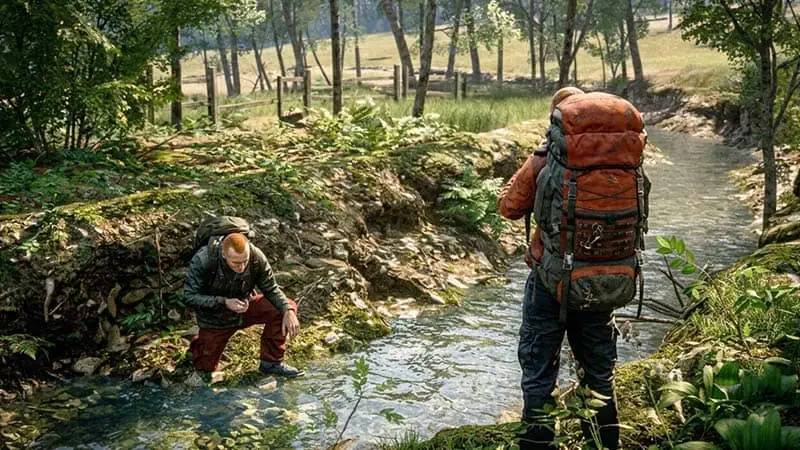
Survival games are usually built around a simple idea: stay alive with whatever you can find. The best realistic survival games, however, push that idea much further. Weather, injuries, food, exhaustion, disease, and even other players can become just as dangerous as the enemies around you.
The games below approach realism in very different ways. Some simulate the human body in surprising detail, while others focus on harsh environments, resource management, or the pressure of making one bad decision at the wrong time.
Sons of the Forest
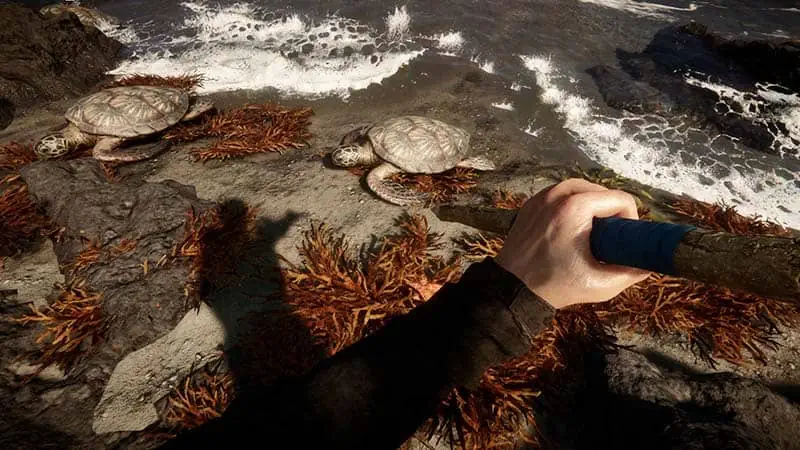
Sons of the Forest makes survival feel physical from the moment you begin building a shelter. Trees need to be cut down, logs have to be carried back to camp, and structures come together piece by piece. Even a short trip away from your base can become risky if you leave without enough food, equipment, or a clear route home.
Caves usually hold the equipment you want most, but they are also home to some of the island’s most dangerous mutants. Kelvin can handle repetitive jobs around camp, while Virginia can gradually become a useful ally during combat. Changing seasons also affect the rhythm of survival. The result is a game where preparation feels connected to nearly everything you do rather than being limited to a few status bars.
Project Zomboid
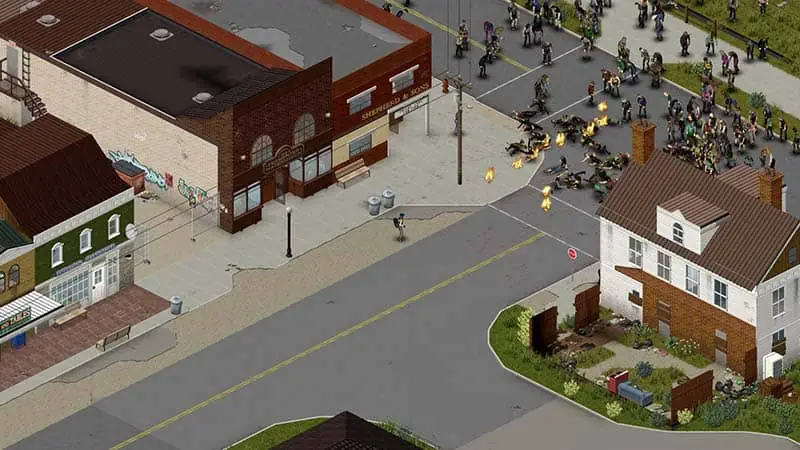
Project Zomboid is less interested in turning you into an unstoppable zombie killer than seeing how long you can avoid making a fatal mistake. Hunger, fatigue, injuries, illness, and panic all build on each other, while a single infected wound can bring a long run to an abrupt end.
Long-term survival becomes just as important as getting through the next encounter. You may spend one day searching houses for food and another reinforcing a base or preparing for farming. Build 42 expands that side of the game with animals, deeper crafting systems, basements, and other changes that make everyday survival more detailed. Project Zomboid stands out among realistic survival games because several small mistakes can slowly catch up with you.
Road to Vostok
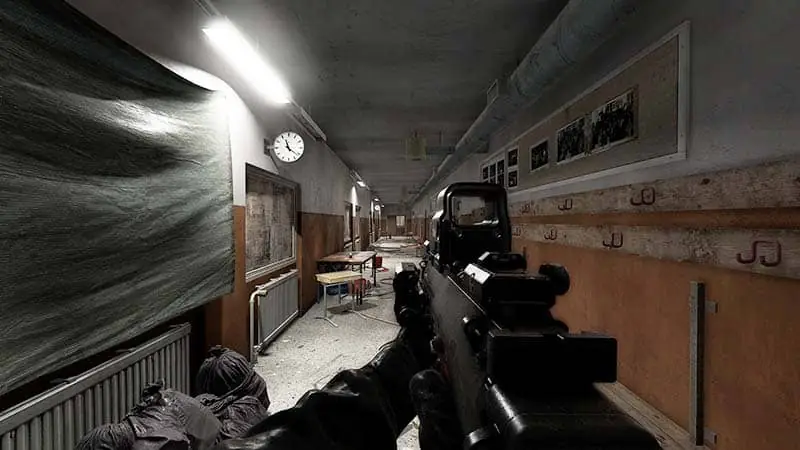
Road to Vostok puts a huge amount of weight on what happens before a firefight begins. Food, ammunition, equipment, and the items you decide to leave behind can matter just as much as your aim once bullets start flying.
The game takes place in a post-apocalyptic border region between Finland and Russia. Your journey eventually leads toward Vostok, a high-risk area where death carries much harsher consequences. Permadeath puts everything you have gathered at risk, which makes every trip feel more serious. Preparation matters here because a bad decision before combat can be just as costly as a mistake during it.
This War of Mine
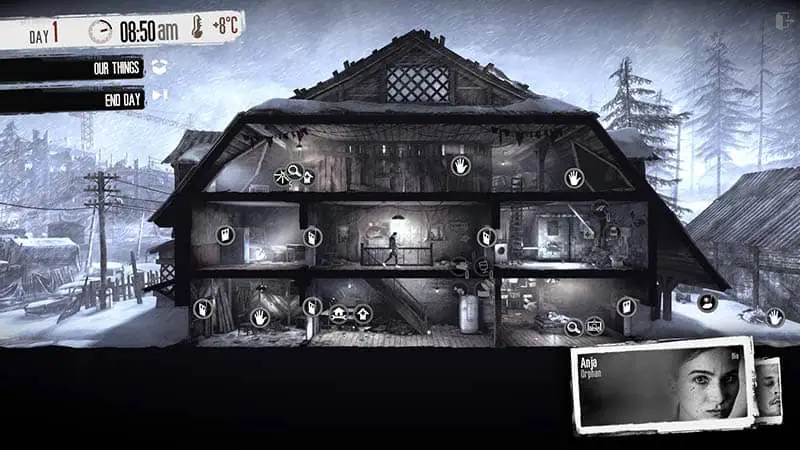
This War of Mine approaches survival from a completely different angle. You are not controlling heavily armed soldiers. Instead, you manage ordinary civilians trapped in a city devastated by war.
Days are usually spent inside the shelter, where food must be prepared, wounds treated, and whatever resources remain carefully managed. Night gives you a chance to search other locations for medicine and supplies, but every trip comes with risk. There is rarely enough for everyone, and choices that solve one problem can create another. That constant pressure gives This War of Mine a kind of realism that has little to do with weapon mechanics and everything to do with human consequences.
Green Hell
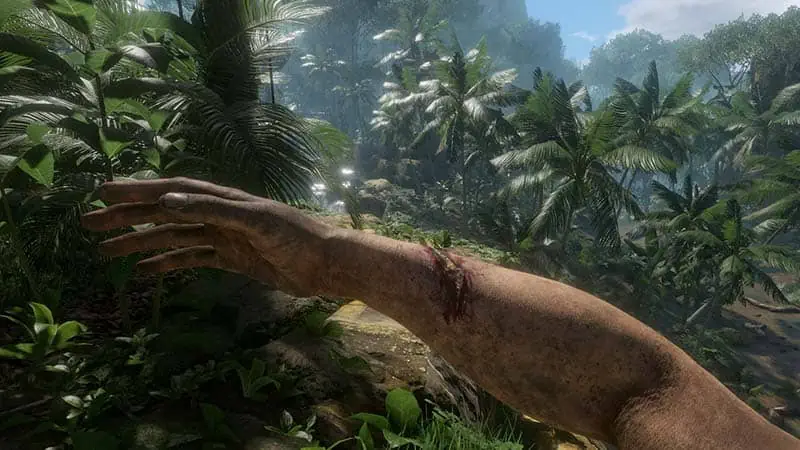
Green Hell turns the Amazon rainforest into a survival problem where small mistakes can escalate quickly. Hunger and thirst matter, but so do parasites, infected wounds, fever, poison, and other conditions that require the right treatment.
Even food is more complicated than filling a single hunger bar. Different nutrients affect your condition, while poor health and isolation can begin to damage your mental state as well. Checking your body, identifying an injury, and finding the correct plant can sometimes matter more than pushing deeper into the jungle. That level of detail makes Green Hell one of the more convincing realistic survival games for players who enjoy demanding systems.
DayZ
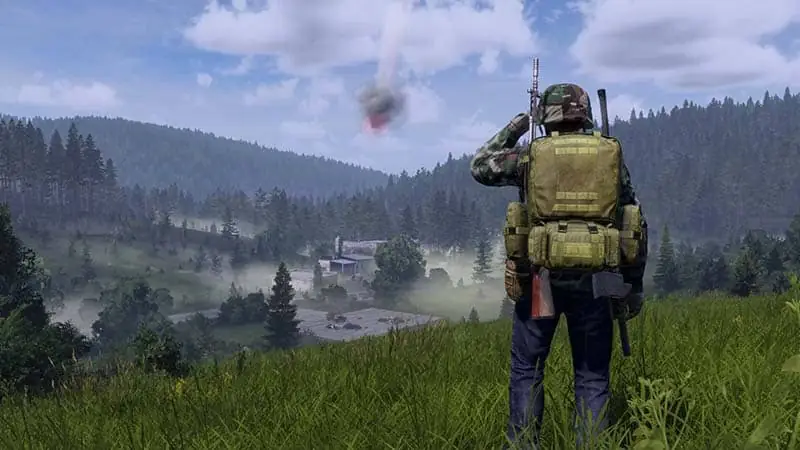
DayZ gives you a huge open world after a zombie outbreak, but infected enemies are often not the part you worry about most. Other survivors can be far harder to predict.
Food, clean water, medicine, body temperature, blood loss, and illness all need attention. Getting soaked can leave you cold, while contaminated water can create an entirely different problem. As you collect better equipment, every encounter with another player becomes more tense because you suddenly have more to lose. Someone approaching you might want to trade, team up, rob you, or simply shoot first. DayZ feels grounded because survival depends as much on reading people as it does on managing supplies.
The Long Dark
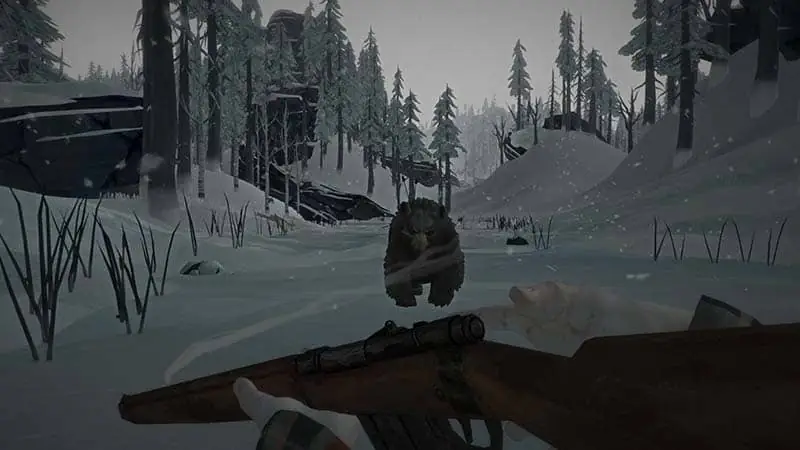
The Long Dark can make something as simple as walking to another building feel like a serious decision. Cold, hunger, thirst, fatigue, wind, and carrying weight all affect how far you can safely travel before conditions turn against you.
Abandoned cabins can contain clothing, medicine, food, and tools, but reaching them may mean crossing open ground where wolves or bears are nearby. Hunting provides valuable resources too, though it also costs time and energy. Sometimes the smartest decision is not collecting one more item but turning around while you still have enough daylight to get home. That constant judgment of distance, weather, and resources is what makes The Long Dark feel so grounded.
SCUM
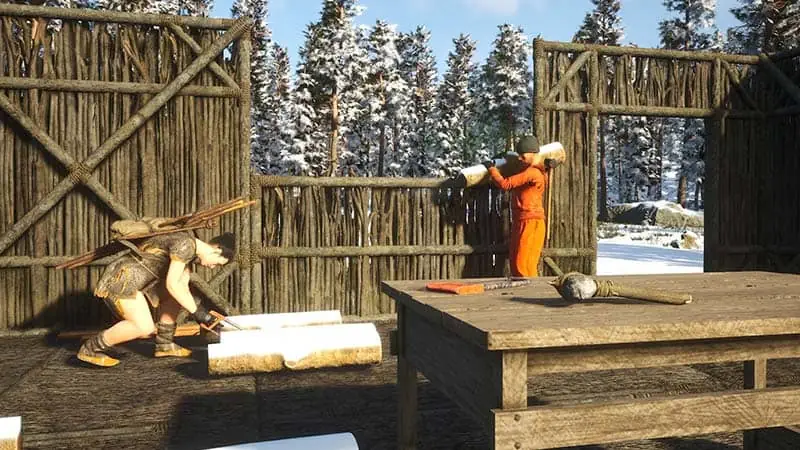
SCUM pays far more attention to what is happening inside your character’s body than most survival games. Nutrition, hydration, energy use, and physical condition all affect performance instead of existing as a handful of simple meters.
You still explore the island, hunt for weapons, use vehicles, build bases, and compete with other players. The difference is that the way you treat your character over time can influence how well you handle those situations. Poor nutrition or bad resource management does not simply flash a warning on screen; it can gradually make everything else harder. Few realistic survival games track your character’s physical condition this closely.
Stranded Deep
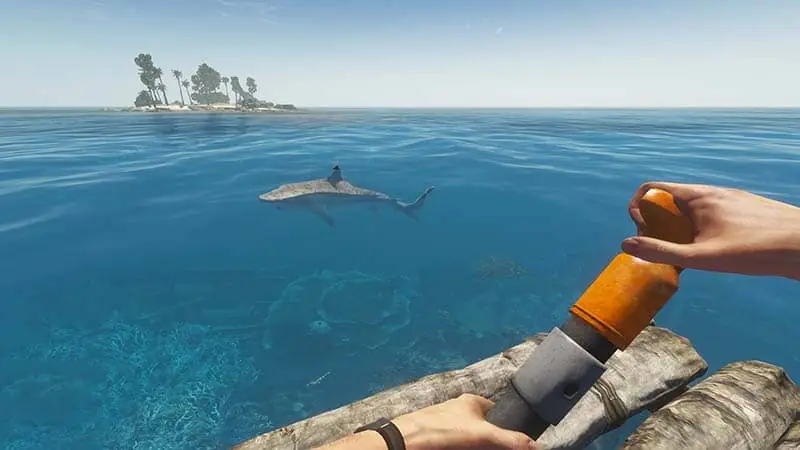
Stranded Deep does not suddenly become safe once you reach an island. In many ways, that is where the real survival work begins. Water, food, shelter, injuries, poisoning, and exposure to the sun can all become problems if you ignore them for too long.
Resources on each island are limited, so crafting a water still, better tools, or a stronger raft often means deciding what matters most right now. Eventually, you need to leave the safety of one island and head across open water for new supplies. That creates a different set of dangers, including sharks and the possibility of losing your direction at sea. Stranded Deep keeps its systems easy to understand, but the constant trade-offs make them feel believable.
Medieval Dynasty
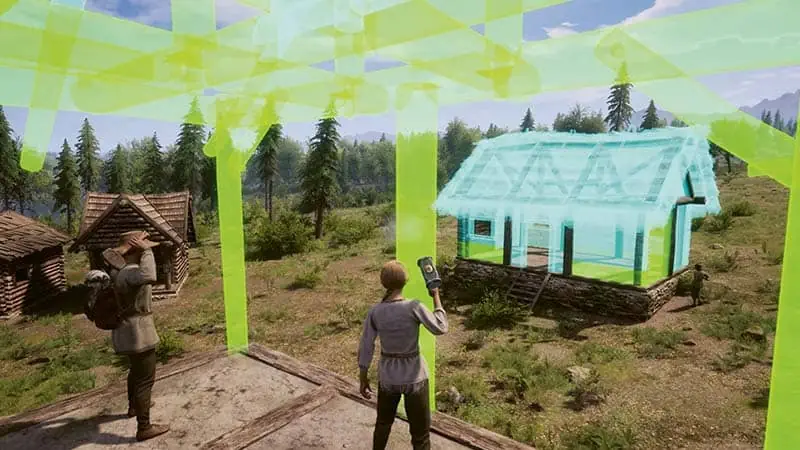
Medieval Dynasty takes the pressure of survival and stretches it across entire seasons. Hunting and gathering matter early on, but the game quickly becomes about creating a life that can continue without collapsing every few days.
You build a home, work fields, gather wood, craft equipment, and gradually turn a small settlement into a functioning village. Villagers need food, water, firewood, and jobs, while production chains depend on having enough resources in the right places. Winter and other seasonal changes add another layer to those responsibilities. Medieval Dynasty feels realistic in a quieter way than most games on this list. The challenge is not surviving one terrifying night, but keeping an entire community working year after year.
Final Thoughts
The best realistic survival games do not necessarily have the biggest worlds or the most complicated graphics. What matters is whether their systems make your decisions feel believable.
Project Zomboid can punish one careless mistake hours later. Green Hell makes a minor injury difficult to ignore. SCUM tracks what happens inside your character’s body, while This War of Mine focuses on the human cost of simply staying alive. Each game approaches realism differently, but all ten make survival feel like more than watching a hunger meter slowly fall.

