


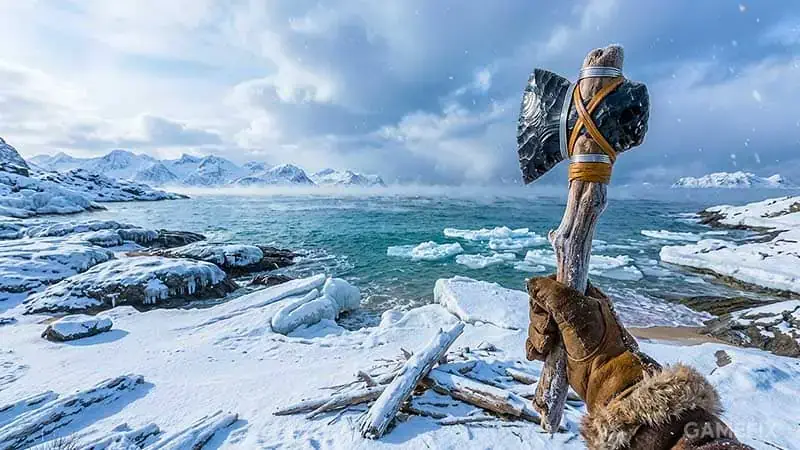
Open world survival games usually give you plenty of enemies to worry about. Sometimes, however, the biggest threat is simply stepping outside at the wrong moment.
A blizzard can erase the route back to your shelter. Heavy rain can soak your clothes and pull down your body temperature. Storms can damage the base you spent hours building. Extreme heat can turn a routine supply run into a race for shade and water.
The games below take those ideas seriously. Weather is not just something happening in the background. It changes where you travel, what you carry, how you build, and when you decide to turn back.
Why Weather Matters in Open World Survival Games
The best weather systems create decisions rather than visual effects. A storm becomes interesting when it forces you to abandon a route. Cold matters when the wrong clothing can end a long expedition. Rain becomes dangerous when staying wet affects several other survival systems at once.
These open world survival games approach that pressure in different ways, from permanent winter and tropical storms to radiation-filled anomalies.
Permafrost
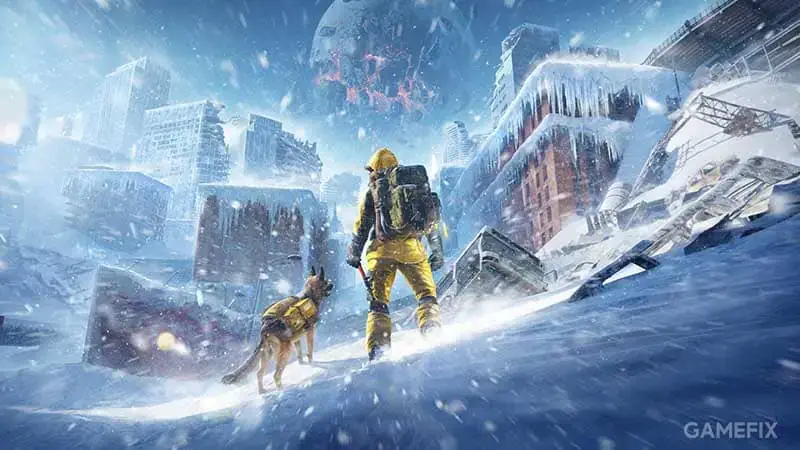
Civilization has already collapsed in Permafrost, but the cold is still trying to finish off anyone left behind.
You play as Rook, an engineer following a radio signal from a missing friend across frozen cities and open wilderness. Staying outside for too long increases chill and frostbite risks, while severe storms can force you to change a planned route.
Survival therefore involves more than scavenging whatever you can find. Abandoned shelters can be repaired, machinery can be restored, and safe locations gradually form a network across the map.
Rook also travels with a dog that helps during exploration. Up to four players can face the frozen world together through online co-op. The result is a survival game where the cold constantly influences how far you are willing to travel.
Icarus
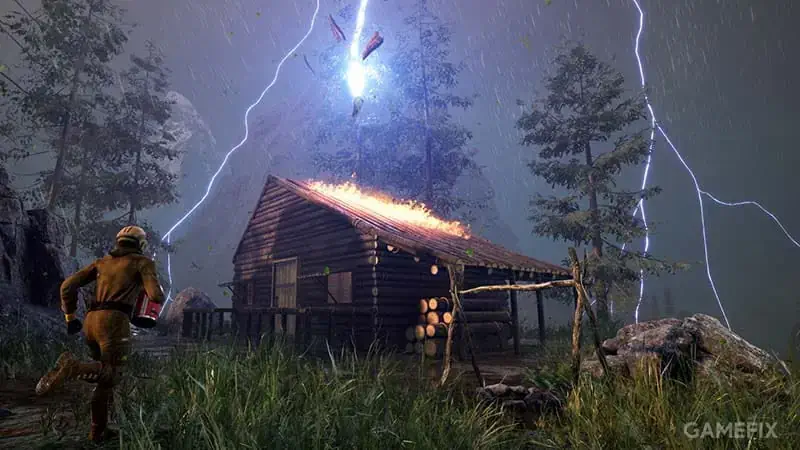
A routine expedition can fall apart quickly once the weather changes in Icarus.
Powerful winds damage structures, lightning can ignite forests, and severe storms make staying outside increasingly dangerous. Before travelling far from your base, you need to think about oxygen, food, equipment, and emergency shelter.
The setting adds another problem. Icarus is a planet abandoned after a failed terraforming attempt left its atmosphere hostile to humans. Prospectors later returned after valuable exotic matter was discovered.
That creates the main loop: explore, gather resources, build shelters, complete objectives, and make it back alive. Its persistent open-world mode keeps that environmental pressure in place rather than resetting it after every mission.
DayZ
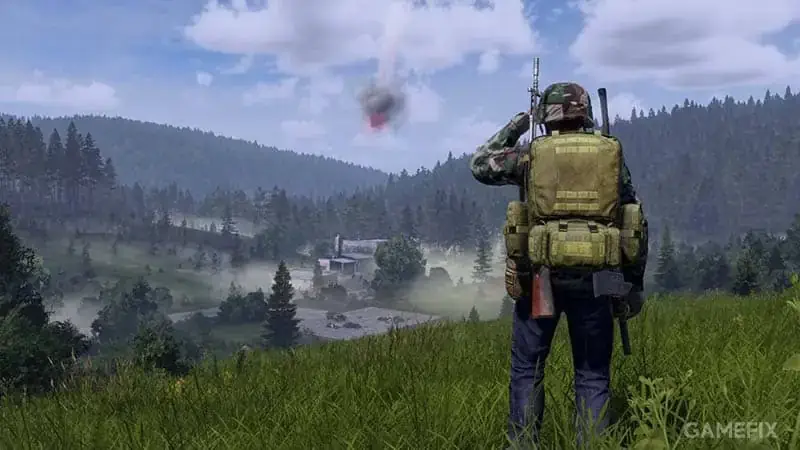
DayZ already asks you to manage hunger, thirst, illness, infected enemies, and unpredictable encounters with other survivors. Weather adds another problem that can become just as dangerous.
Rain soaks your clothing and reduces its insulation. Spending too long in cold conditions lowers your body temperature and can eventually lead to hypothermia.
That makes dry clothes, a reliable fire, and knowing when to stop travelling just as important as finding food or ammunition. When the weather weakens you, illness and every other threat become harder to manage as well.
DayZ continues to receive updates, but its strength still comes from these interconnected systems. Even a simple decision to stay outside in the rain for too long can change the outcome of an entire journey.
The Long Dark
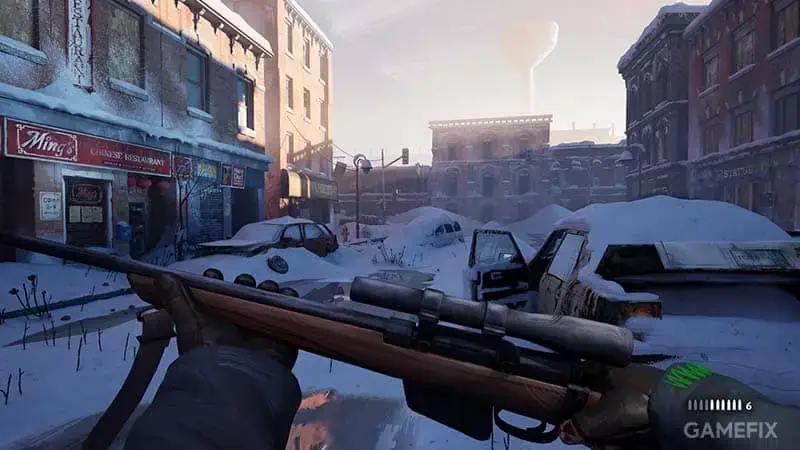
Few survival games make a falling temperature feel as dangerous as The Long Dark.
Northern Canada’s frozen wilderness forces you to manage cold, hunger, thirst, and fatigue at the same time. Poor clothing quickly increases the risk of hypothermia and frostbite.
A sudden blizzard can be even worse. Visibility can disappear within moments, turning a familiar route back to shelter into a serious problem.
Firewood, calories, clothing condition, shelter, and travel distance all need to be considered before leaving safety. Survival Mode removes the need to follow a traditional campaign and instead asks one simple thing: how long can you stay alive?
One poor weather decision can bring hours of careful preparation to an abrupt end.
Pacific Drive
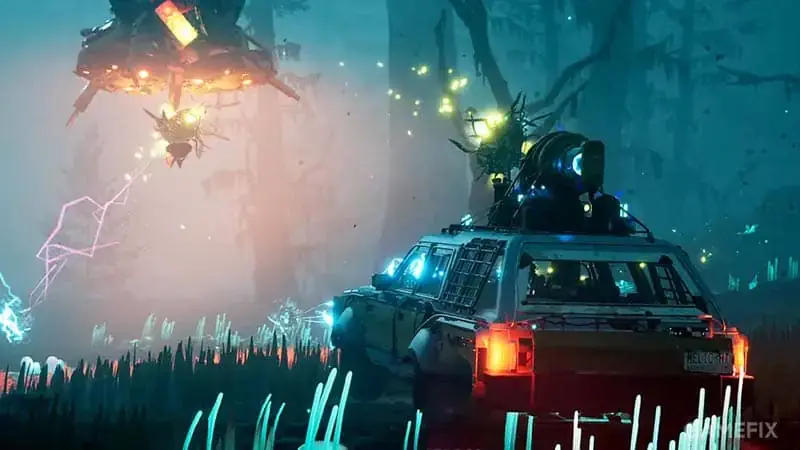
Pacific Drive approaches survival differently because your car is the most important piece of equipment you own.
Every trip into the Olympic Exclusion Zone involves gathering materials, investigating abandoned research sites, and uncovering what happened to the region. However, remaining outside for too long comes with its own danger.
Zone Storms can rapidly make an area hostile as radiation and anomalies close in. Fuel, vehicle condition, spare parts, and an escape route all need attention before that happens.
You are constantly deciding whether one more stop is worth the risk. As a result, weather and environmental events determine not only where you go, but also when it is time to leave.
Winter Survival
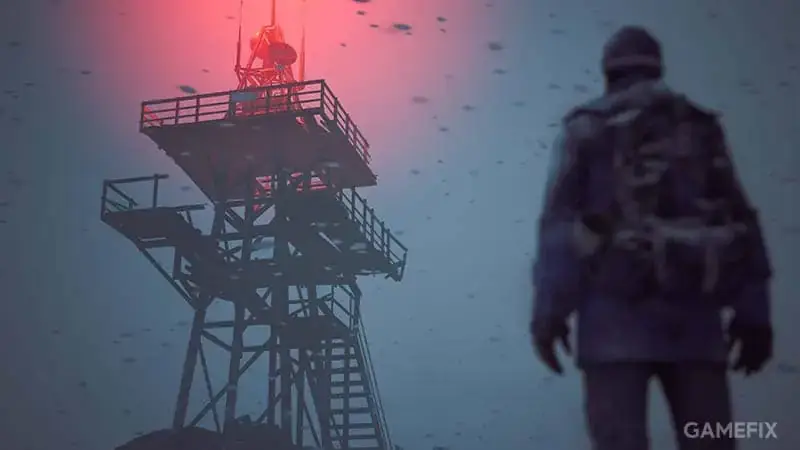
Cold weather affects more than physical health in Winter Survival.
Playing as Danny, you explore a frozen open world while searching for a way home. Fire, food, shelter, and suitable equipment remain essential because prolonged exposure increases the danger of frostbite.
However, hunger, isolation, and stress can also damage Danny’s sanity. Hallucinations and panic attacks may appear as his condition deteriorates, making it harder to tell whether every threat is actually real.
Frozen forests, caves, swamps, and abandoned locations provide the resources needed to keep moving. Hunting, crafting, and temporary shelters become part of surviving both the environment and Danny’s increasingly fragile mental state.
Stranded Deep
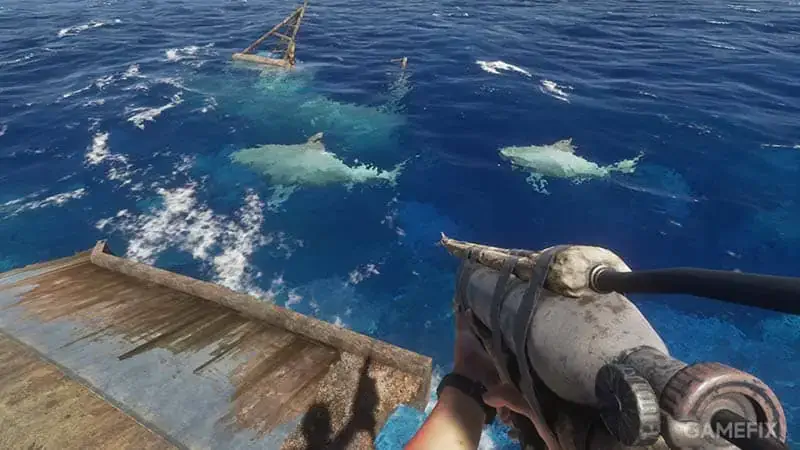
Stranded Deep begins with a plane crash that leaves you scattered across remote islands in the Pacific Ocean.
Food, fresh water, shelter, and eventually escape become the main priorities. The tropical setting does not make that job easier.
Spending too long under direct sunlight increases the danger of sunstroke and exposure. Severe storms can also turn travel between islands into a serious risk, especially when your survival depends on a small raft.
Every trip therefore requires planning. Water supplies, distance, daylight, and the weather all influence whether reaching another island is worth the danger.
Diving, hunting, crafting, and scavenging fill the time between those risky journeys.
Subnautica Below Zero
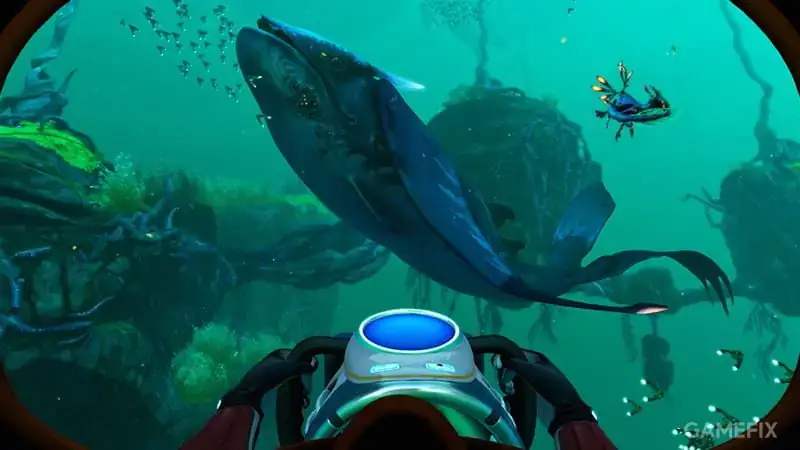
Subnautica: Below Zero moves the series into the frozen region of planet Forty-Five Forty-Six B.
Robin returns to investigate what happened to her sister Sam, taking the story through underwater biomes and dangerous stretches of frozen surface.
Above the water, weather becomes an immediate survival problem. Snowstorms reduce visibility, while prolonged exposure causes body temperature to fall. Staying outside for too long can quickly turn exploration into a race for warmth.
The Cold Suit, hot drinks, and Thermal Lilies provide different ways to manage the temperature system.
Route planning is therefore not only about oxygen or hostile creatures. Sometimes the most important question is simply how long you can remain away from warmth.
Don’t Starve Together
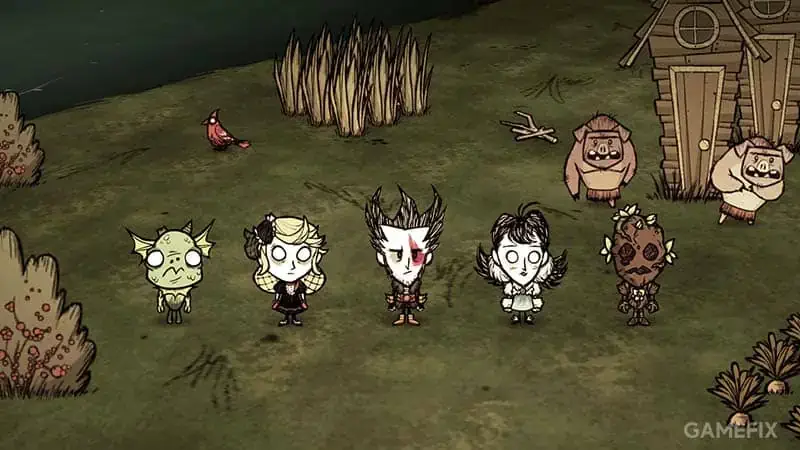
Every season creates a different survival problem in Don’t Starve Together.
Winter brings freezing temperatures and demands warm clothing, reliable fires, and enough stored food to survive reduced resource availability. Summer reverses the problem with overheating and a greater danger of fires.
Spring adds heavy rain and rising Wetness, while lightning creates another threat around exposed camps.
Because the world is procedurally generated, preparation matters more than memorising one safe route. Bases need supplies for upcoming seasons, while equipment and priorities change with the calendar.
Co-op adds another layer by allowing players to divide responsibilities while the environment keeps changing the rules around them.
Green Hell
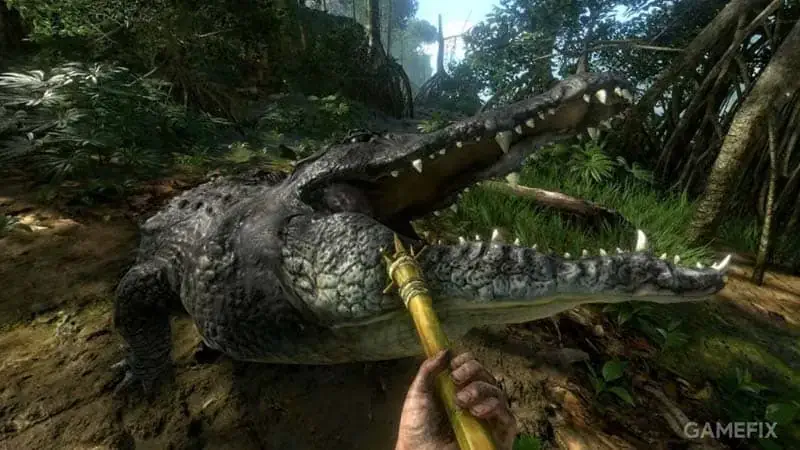
Green Hell places Jake Higgins deep inside the Amazon rainforest while he searches for his missing wife, Mia.
Constant rain, high humidity, and tropical conditions affect how you travel and maintain a camp. Keeping equipment usable, protecting a fire, finding shelter, and managing resources becomes harder when the environment refuses to cooperate.
Weather is only one part of the pressure. Parasites, infections, poisoning, injuries, and mental health also demand attention.
That combination is what makes the Amazon dangerous. The climate does not replace the game’s other threats. Instead, it makes dealing with them more difficult while Jake follows Mia’s trail and uncovers what happened in the jungle.
Open World Survival Games Are Better When Weather Changes the Plan
Weather systems work best when they force you to make decisions.
The Long Dark and Permafrost use extreme cold to control how far you can travel. Icarus and Pacific Drive make dangerous storms part of every expedition. Stranded Deep turns heat and ocean weather into survival problems, while Don’t Starve Together reshapes preparation around entire seasons.
That variety is what makes these open world survival games interesting. The weather does not simply change what the world looks like. It changes what you are willing to risk.

